The Right Countertop Material
Choosing the right countertop material is a key step in shaping both the look and function of your kitchen or bath. From natural stone to modern composites, each option offers unique benefits in durability, style, and maintenance that can elevate your space.
Quartz
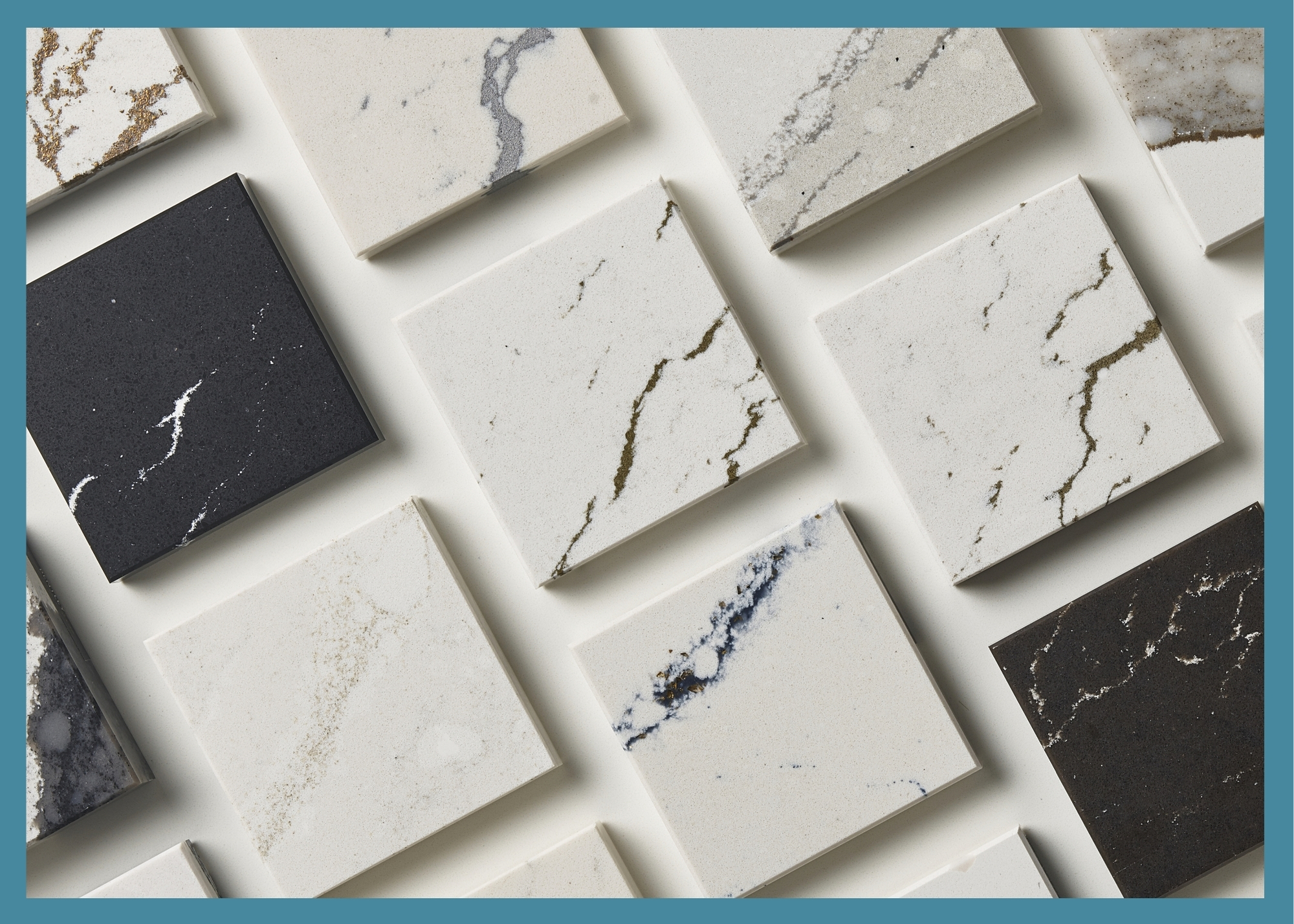
Quartz is an engineered stone made from natural quartz combined with resins and pigments. This manufacturing process creates a highly durable, consistent, and versatile surface that works well in both kitchens and bathrooms. Because it is non‑porous, quartz resists staining, moisture, and bacteria, making it a hygienic and low‑maintenance option. Available in a wide range of colors and patterns—including designs that mimic natural stone—quartz is a popular choice in modern and contemporary homes.
Pros
Durable & Long‑Lasting: Highly resistant to scratches, chips, and cracks
Non‑Porous: Does not require sealing; resists stains, bacteria, and moisture
Low Maintenance: Easy to clean with mild soap and water
Consistent Appearance: Uniform color and pattern across slabs
Wide Design Options: Available in many colors, styles, and finishes
Cons
Cost: Often more expensive than laminate and some natural stones
Heat Sensitivity: Prolonged exposure to high heat can cause damage
Not Completely Natural: Contains resins and pigments, unlike solid stone
Outdoor Limitations: Not recommended for exterior use due to UV exposure
Granite
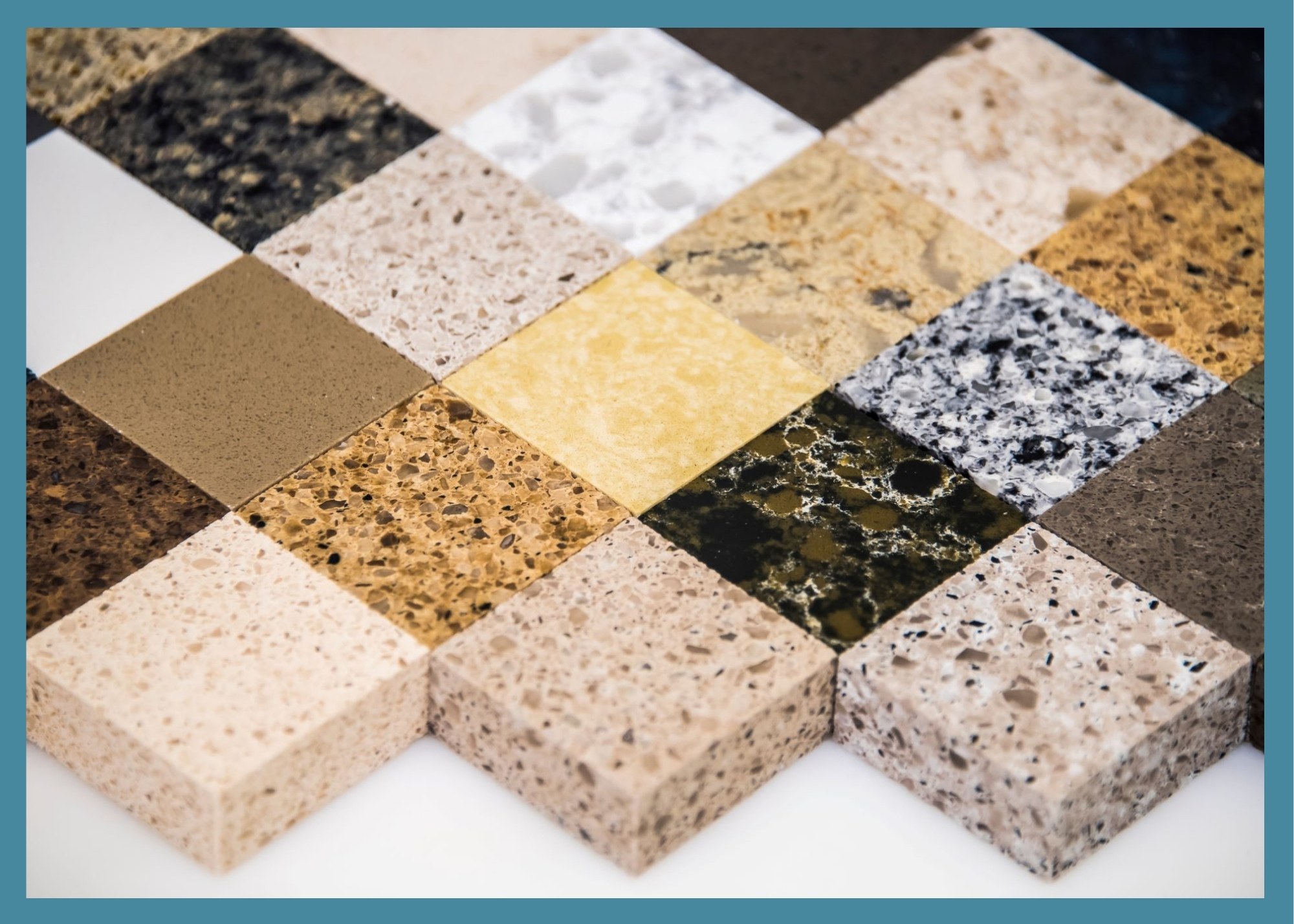
Granite is a natural stone formed deep within the earth, known for its rich color variation and distinctive veining. Each slab is completely unique, offering a one‑of‑a‑kind look that adds character and depth to any space. Granite is highly durable and naturally heat‑resistant, making it a timeless and popular choice for kitchens and other high‑use areas. With proper care and sealing, granite provides long‑lasting beauty and performance.
Pros
Natural & Unique: No two slabs are alike
Heat‑Resistant: Handles hot pots and pans well
Durable: Resistant to scratches and everyday wear
Timeless Appearance: Adds value and classic appeal to the home
Wide Variety: Available in many natural colors and patterns
Cons
Requires Sealing: Porous surface needs regular sealing to prevent staining
Maintenance: Spills should be cleaned promptly to avoid absorption
Cost: Can be more expensive depending on stone rarity and thickness
Pattern Variability: Natural variation may not appeal to those wanting uniformity
Marble
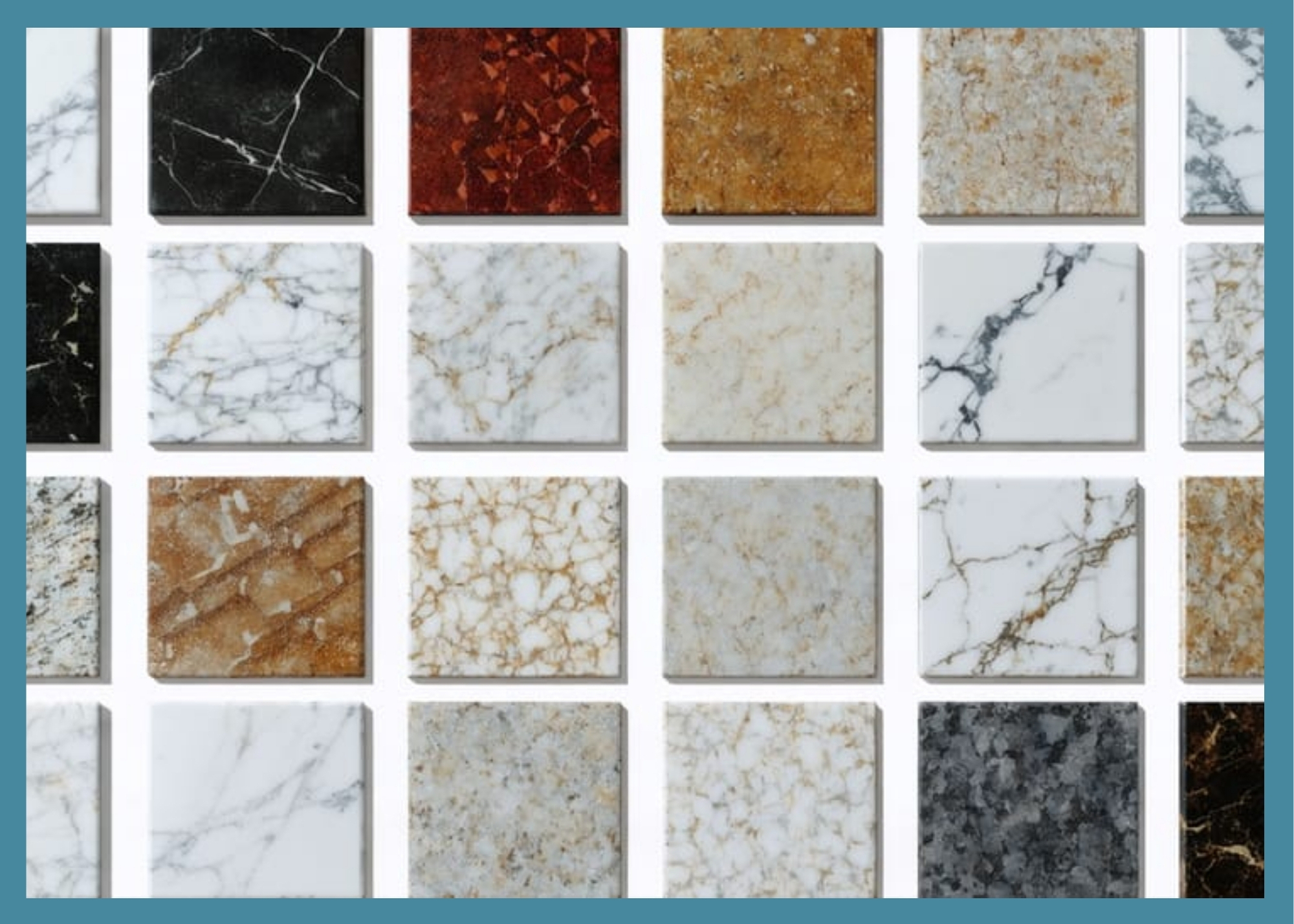
Marble is a natural stone celebrated for its elegant veining and timeless beauty. Commonly used in luxury and traditional designs, marble brings a refined, high‑end aesthetic to kitchens, bathrooms, and accent spaces. Its softer composition and porous nature give it a distinctive character but also require more attentive care and maintenance. When properly cared for, marble offers unmatched sophistication and classic appeal.
Pros
Elegant & Timeless: Iconic veining and natural beauty
One‑of‑a‑Kind: Each slab features unique patterns and movement
Cool Surface: Ideal for baking and pastry preparation
Luxury Appeal: Enhances the value and visual impact of a space
Natural Stone: Authentic material with classic charm
Cons
Porous Surface: Prone to staining if not properly sealed
Softer Material: More susceptible to scratches and etching
Higher Maintenance: Requires regular sealing and careful cleaning
Acid Sensitivity: Can be damaged by acidic substances like citrus or vinegar
Cost: Often more expensive due to material and upkeep
Quartzite
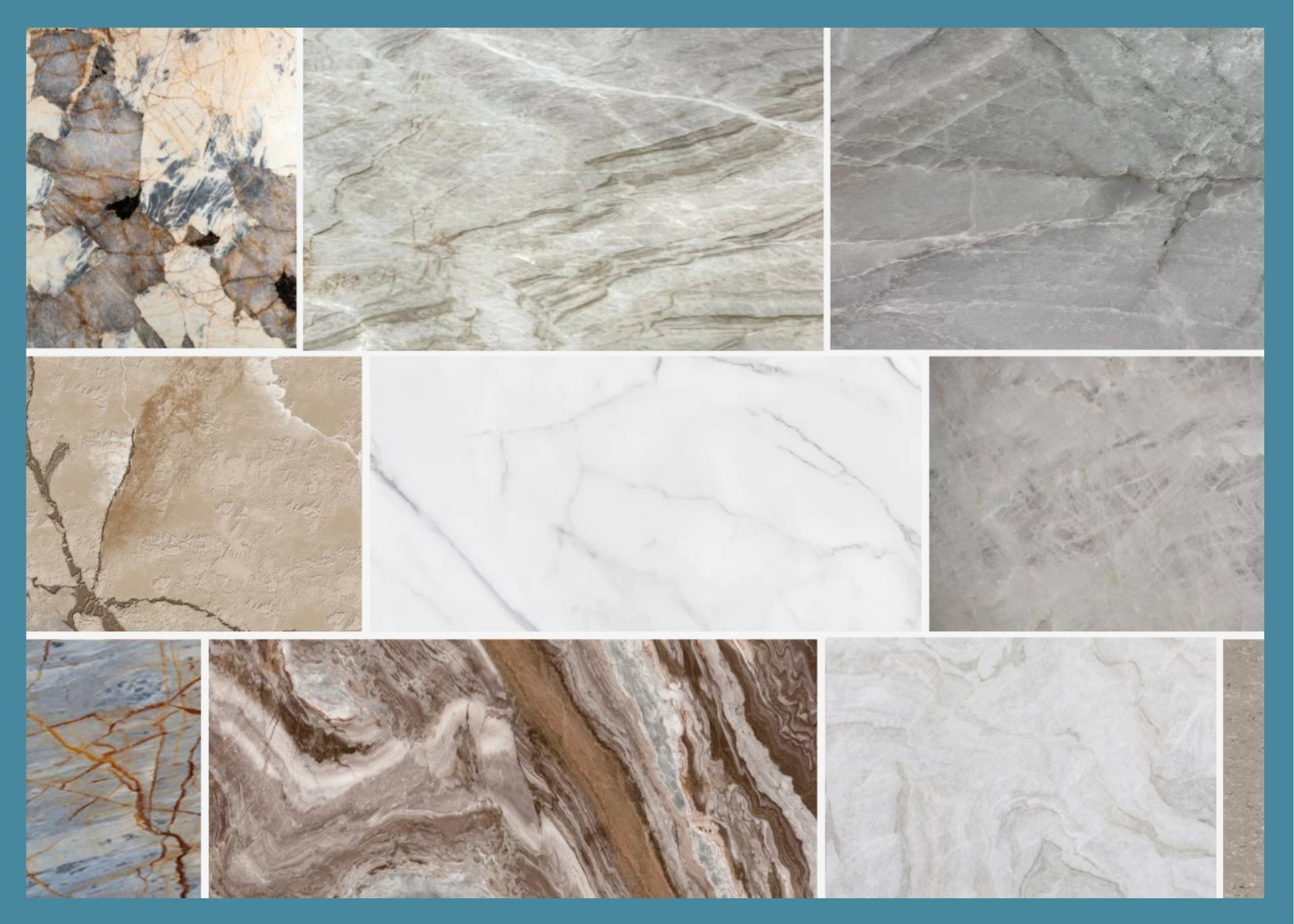
Quartzite is a natural stone that offers the elegant appearance of marble with significantly greater strength and durability. Formed under intense heat and pressure, quartzite is extremely hard, making it well‑suited for high‑use areas like kitchens. Its striking veining and natural color variations provide a sophisticated, high‑end look, while its performance appeals to homeowners seeking beauty without compromising durability.
Pros
Natural Stone: Genuine material with unique patterns and veining
Highly Durable: Harder and more scratch‑resistant than marble
Heat‑Resistant: Performs well in kitchen environments
Elegant Appearance: Marble‑like look with enhanced performance
Adds Value: Premium material that elevates the overall design
Cons
Requires Sealing: Porous surface needs regular sealing to prevent stains
Cost: Often more expensive due to durability and sourcing
Maintenance: Spills should be cleaned promptly
Limited Uniformity: Natural variations may not suit those wanting consistent patterns
Butcher Block (Wood)
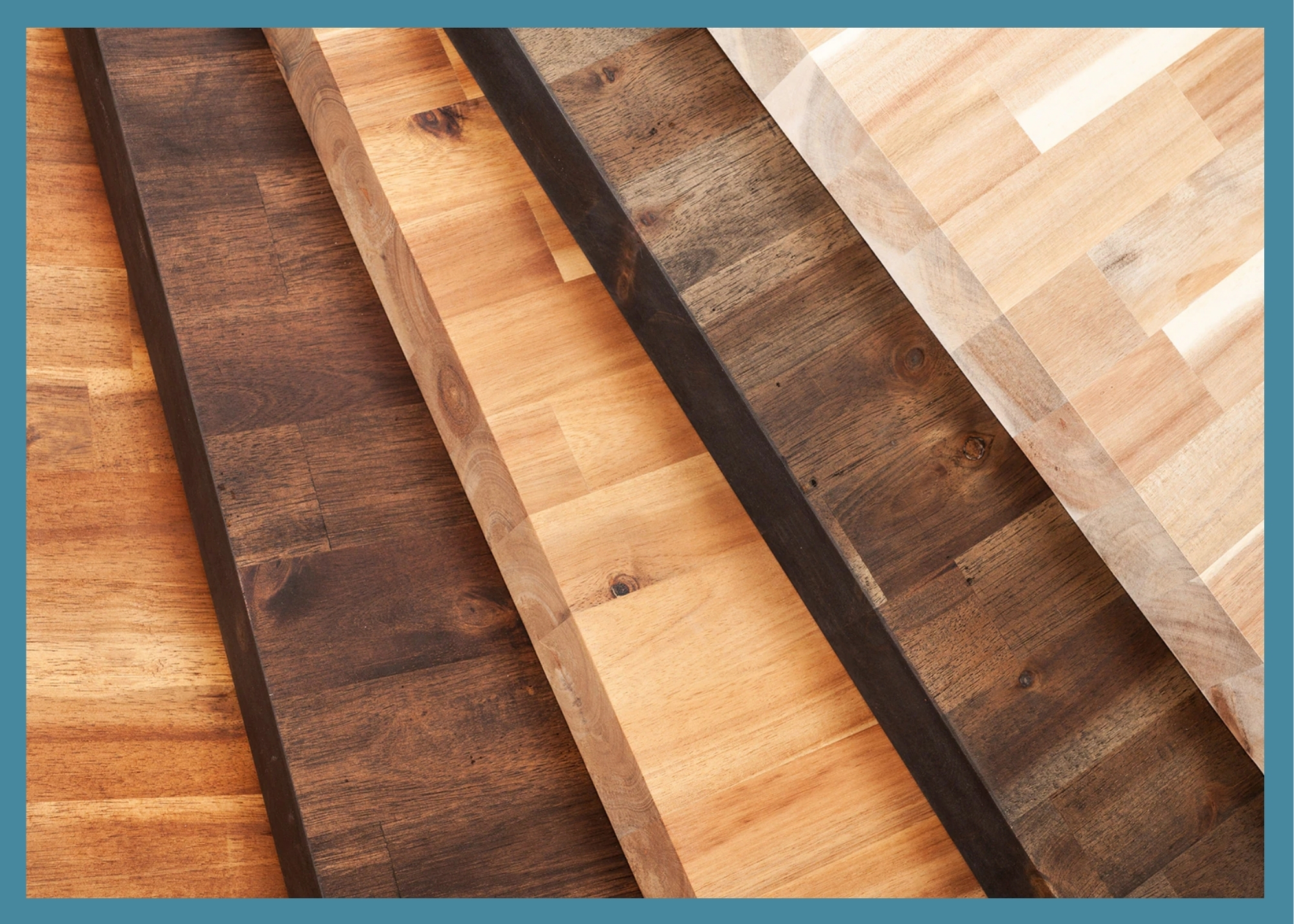
Butcher block countertops are made from solid wood pieces joined together to create a warm, natural, and inviting surface. Commonly found in farmhouse, rustic, and transitional kitchens, butcher block adds character and softness to a space that balances well with stone or painted cabinetry. While beautiful and functional, wood countertops require regular maintenance to preserve their appearance and durability and are best suited for dry areas of the home.
Pros
Warm & Natural Look: Adds character and charm to any kitchen
Solid Wood Material: Authentic, natural surface
Repairable: Scratches and dents can often be sanded out
Comfortable Work Surface: Softer and quieter than stone
Versatile Style: Complements farmhouse, rustic, and mixed‑material designs
Cons
High Maintenance: Requires regular sealing or oiling
Moisture Sensitive: Can warp, stain, or crack if exposed to excess water
Not Heat‑Resistant: Can scorch from hot cookware
More Care Required: Needs immediate cleanup to prevent damage
Not Recommended for Wet Areas: Avoid use near sinks or in bathrooms
