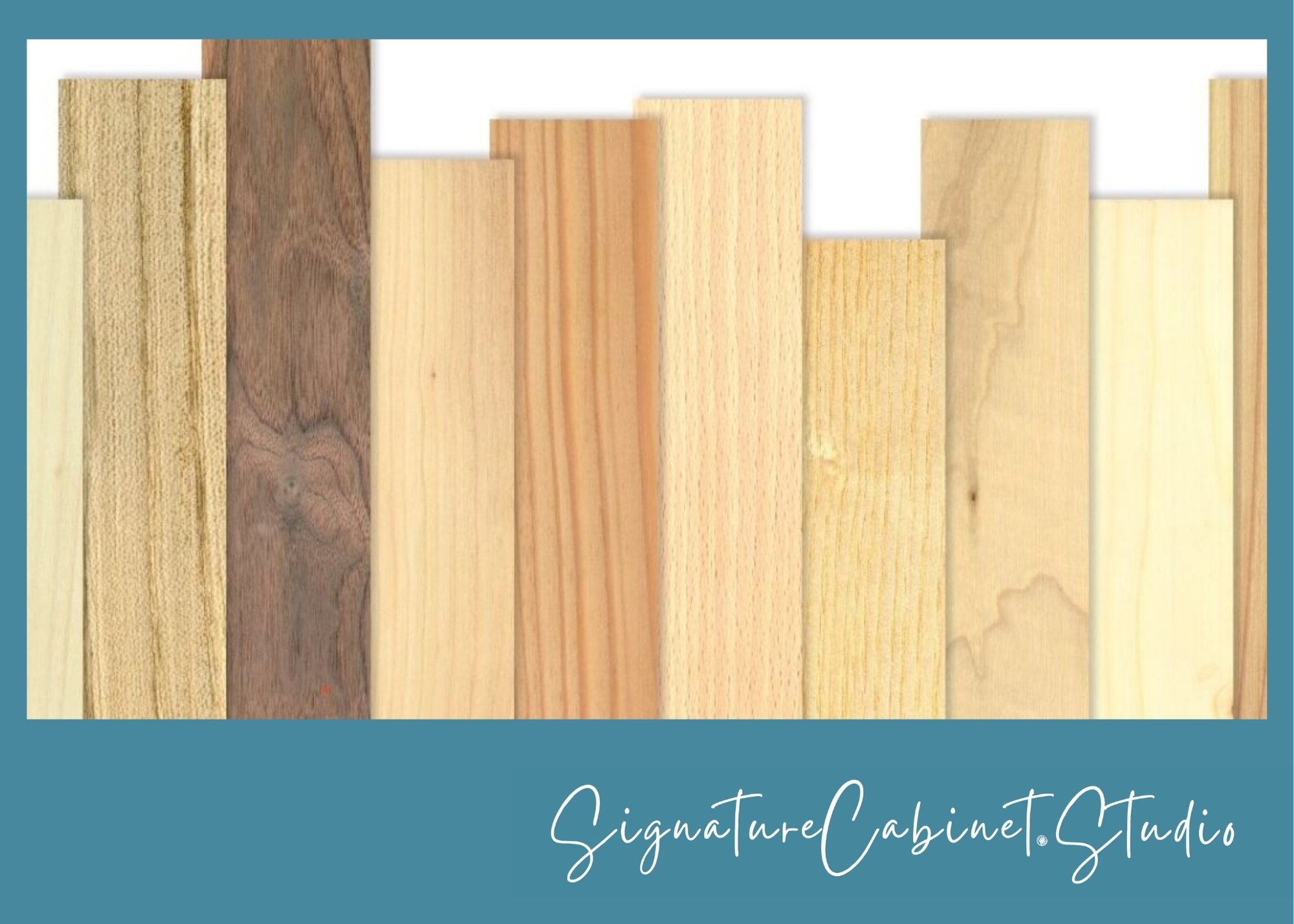
Wood Species
When it comes to furniture, cabinetry, and flooring, not all wood is created equal. Wood species vary widely in hardness, grain pattern, color, and stability, and these characteristics directly impact not only how a finished piece looks, but also how it performs over time.
From dense, uniform hardwoods like maple to character‑rich options such as hickory and knotty alder, understanding wood species helps you make informed decisions that balance beauty, longevity, and lifestyle needs. Below, we explore some of the most popular wood species used in furniture and cabinetry—and what makes each one unique.
Why Wood Species Matter
The species of wood chosen for a project influences:
Durability – Resistance to dents, scratches, and wear
Appearance – Grain pattern, color variation, and texture
Maintenance – How the wood ages, darkens, or reacts to light and moisture
Style Compatibility – Traditional, rustic, modern, or farmhouse aesthetics
Hardwoods such as oak, maple, walnut, and cherry are commonly selected for their strength and visual appeal, while engineered materials and alternatives like bamboo and MDF offer consistency and performance advantages in specific applications.
Popular Hardwood Species and Their Characteristics
Maple
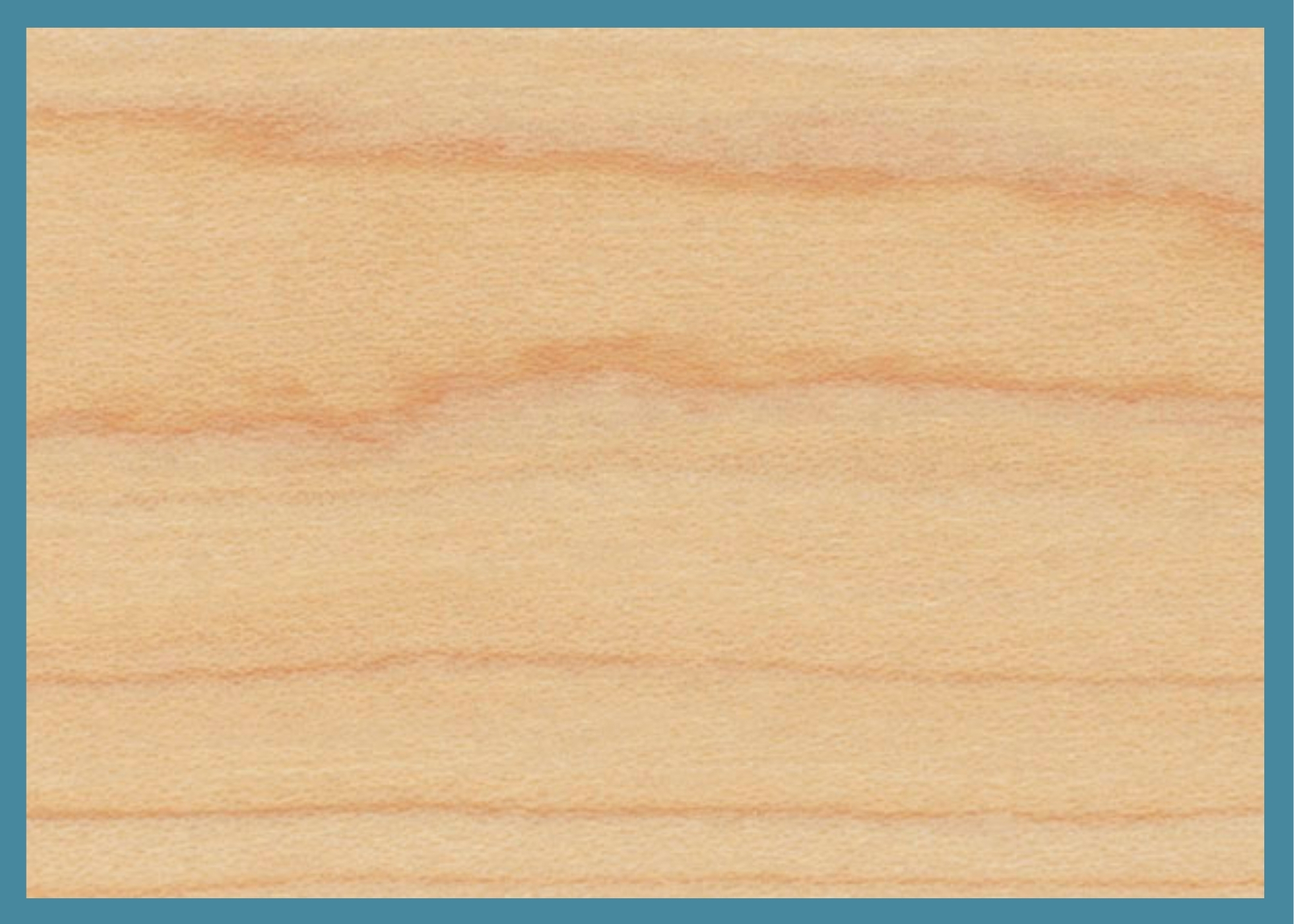
Maple is one of the most durable and widely used hardwoods in cabinetry and flooring.
Appearance: Creamy white to light reddish‑brown
Grain: Straight and uniform
Density: Very dense and heavy
Because of its hardness and smooth grain, maple is an excellent choice for flooring, countertops, and high‑use cabinetry, especially in contemporary or transitional spaces.
Red Oak
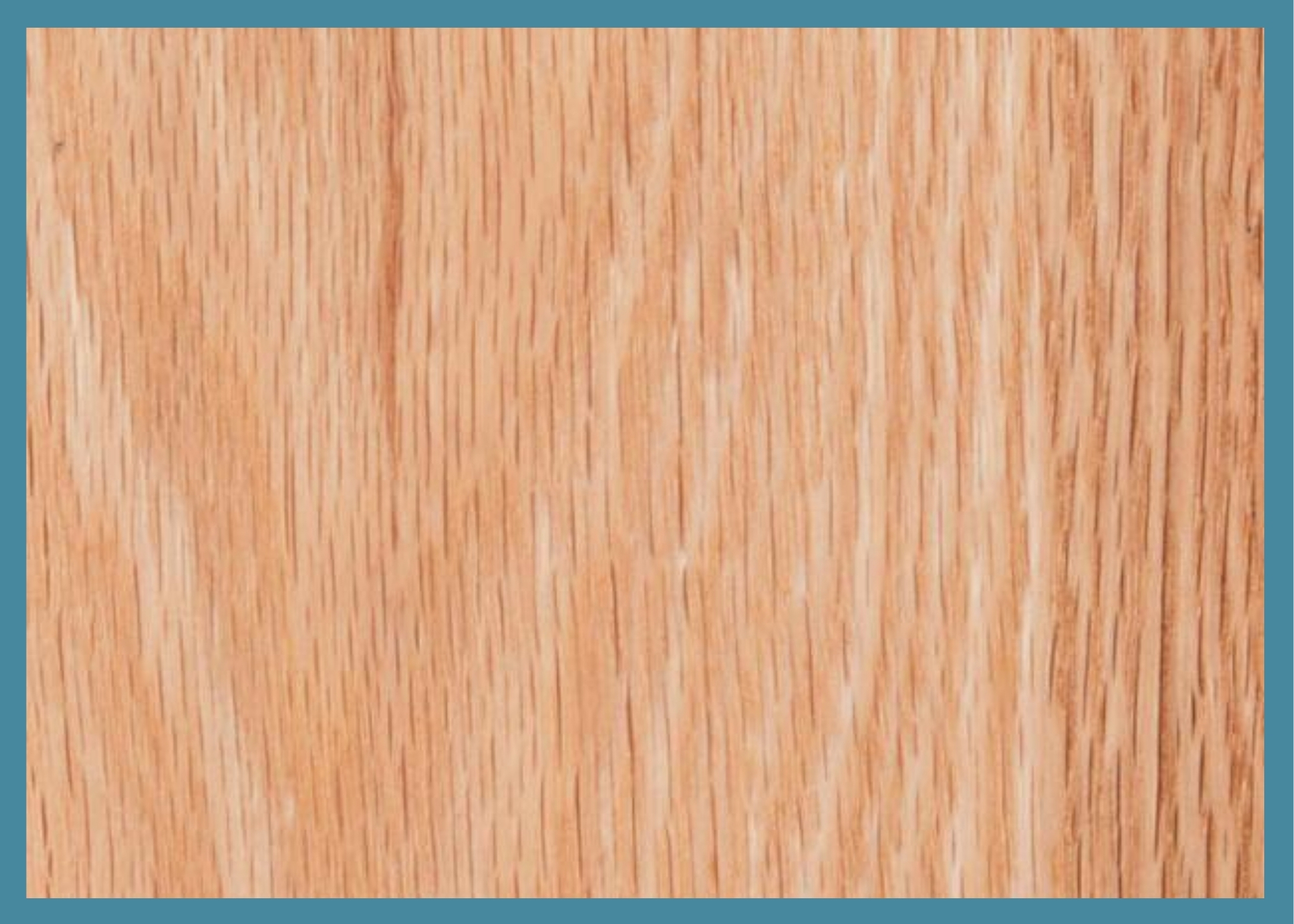
Oak is known for its strength and unmistakable grain pattern.
Appearance: Light brown to medium tan
Grain: Prominent, open, and textured
Durability: Extremely high
White Oak
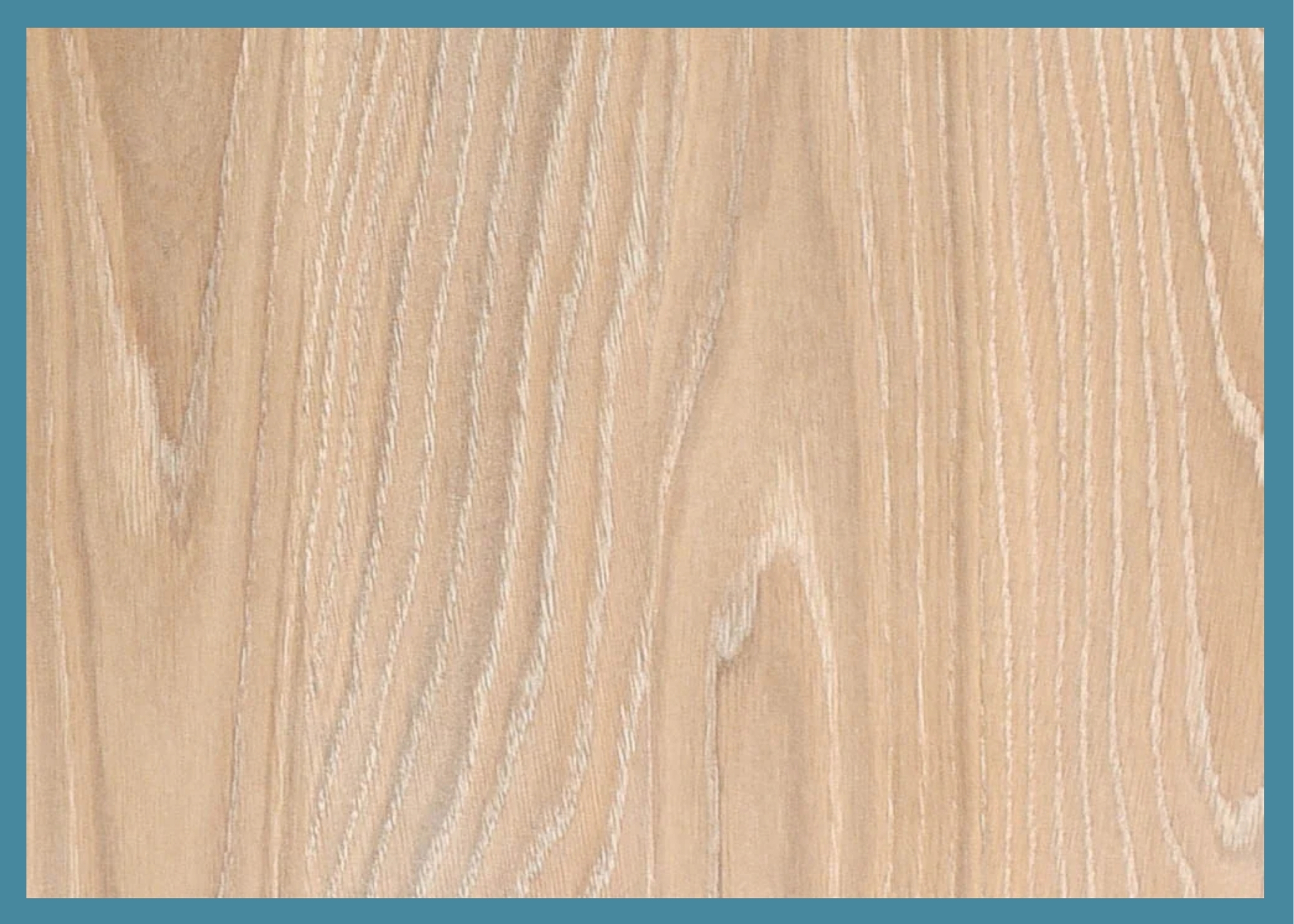
Quartersawn white oak is not a separate species but a specialized milling technique applied to white oak.
Grain: Straight, tight, and uniform
Distinctive Feature: “Tiger stripe” or flake pattern
Stability: Exceptional resistance to warping
This premium option is prized for its refined appearance and is often used in Arts & Crafts and high‑end custom cabinetry.
Alder
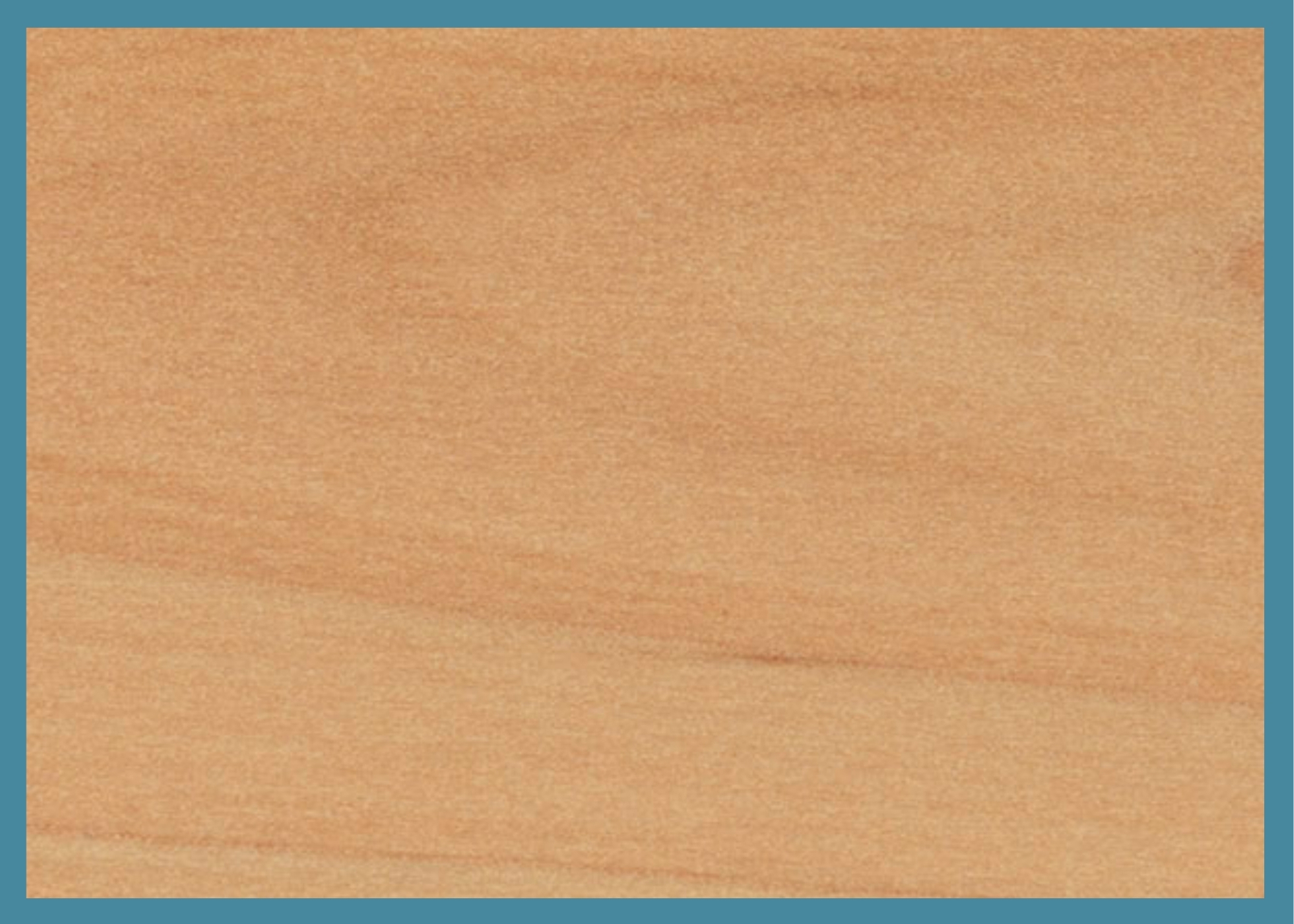
Alder is softer than many hardwoods but offers excellent versatility.
Appearance: Warm honey tones
Grain: Straight and even
Density: Medium
Frequently sold as Knotty Alder, this species showcases natural knots and character markings, making it ideal for rustic, farmhouse, and casual designs in furniture and cabinetry.
Walnut
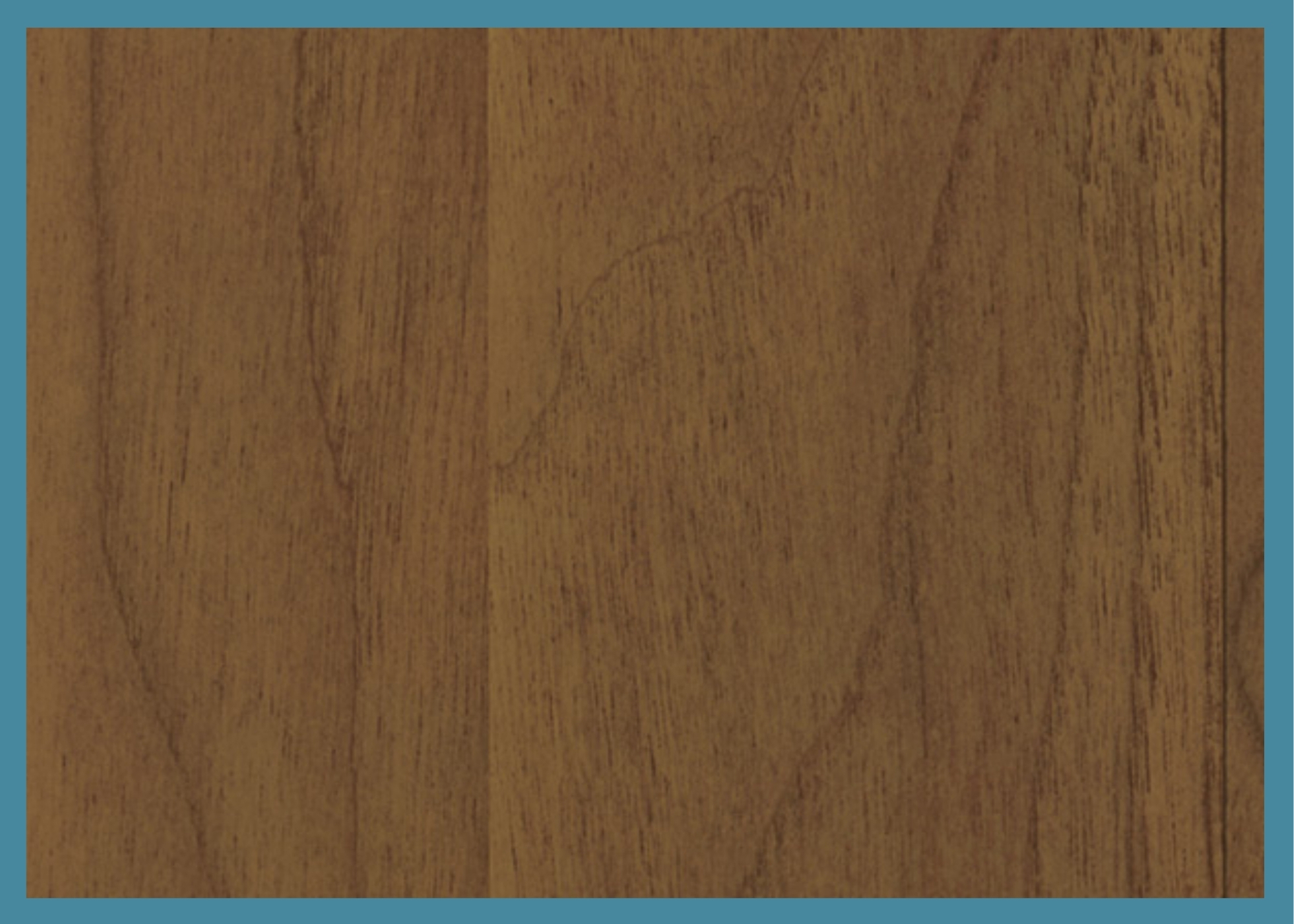
Walnut is one of the most sought‑after hardwoods for refined interiors.
Appearance: Rich chocolate brown
Grain: Straight with occasional curl
Stability: Highly stable and durable
Its natural elegance makes walnut a premium choice for luxury furniture, cabinetry, and statement pieces where depth of color is desired.
Cherry
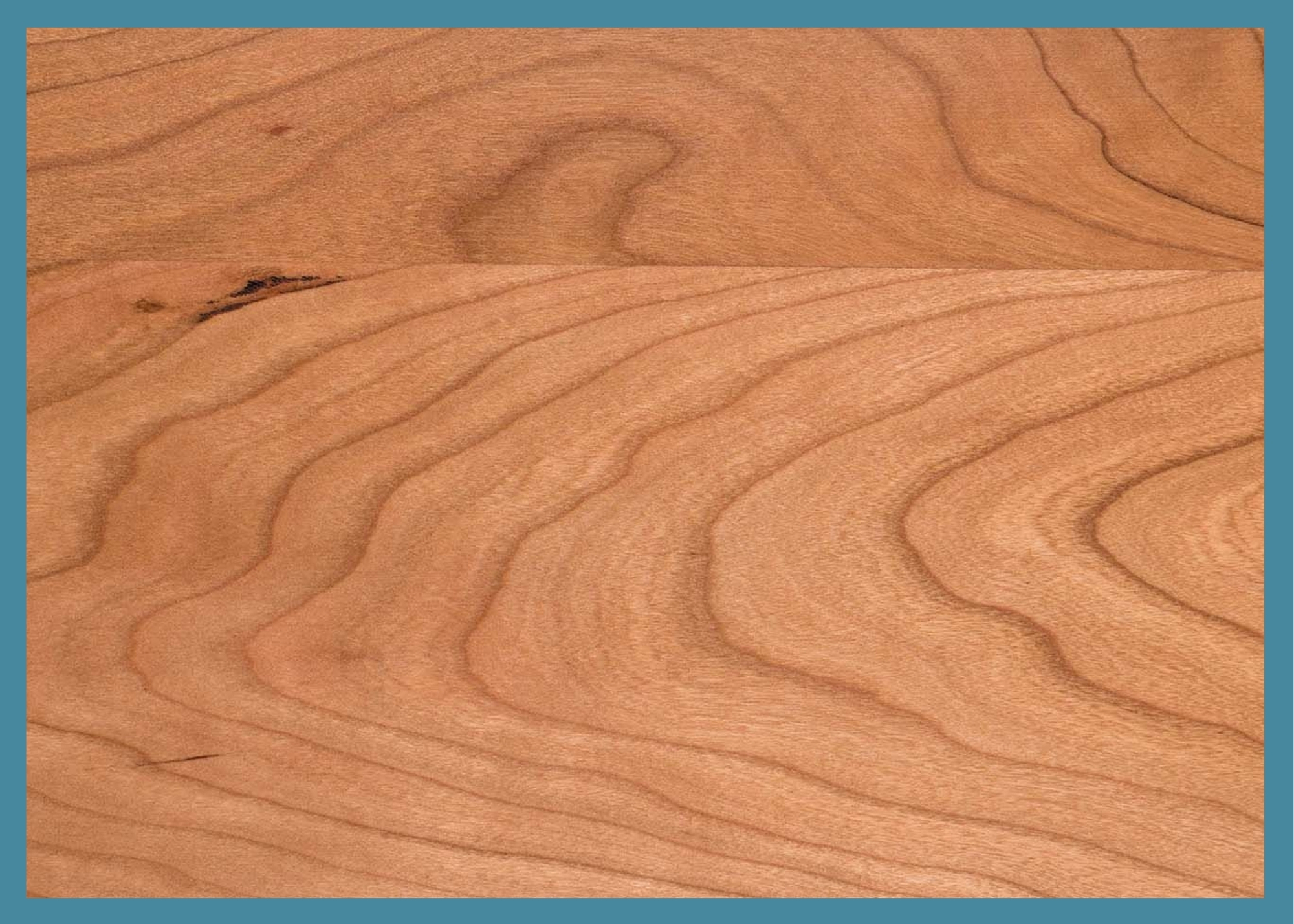
Cherry is known for its natural aging process and timeless appeal.
Appearance: Light reddish tones that darken over time
Grain: Fine and smooth
Aging: “Ripens” into a deep red‑brown
As cherry is exposed to light, it develops a rich patina, making it ideal for traditional furniture and cabinetry that grows more beautiful with age.
Hickory
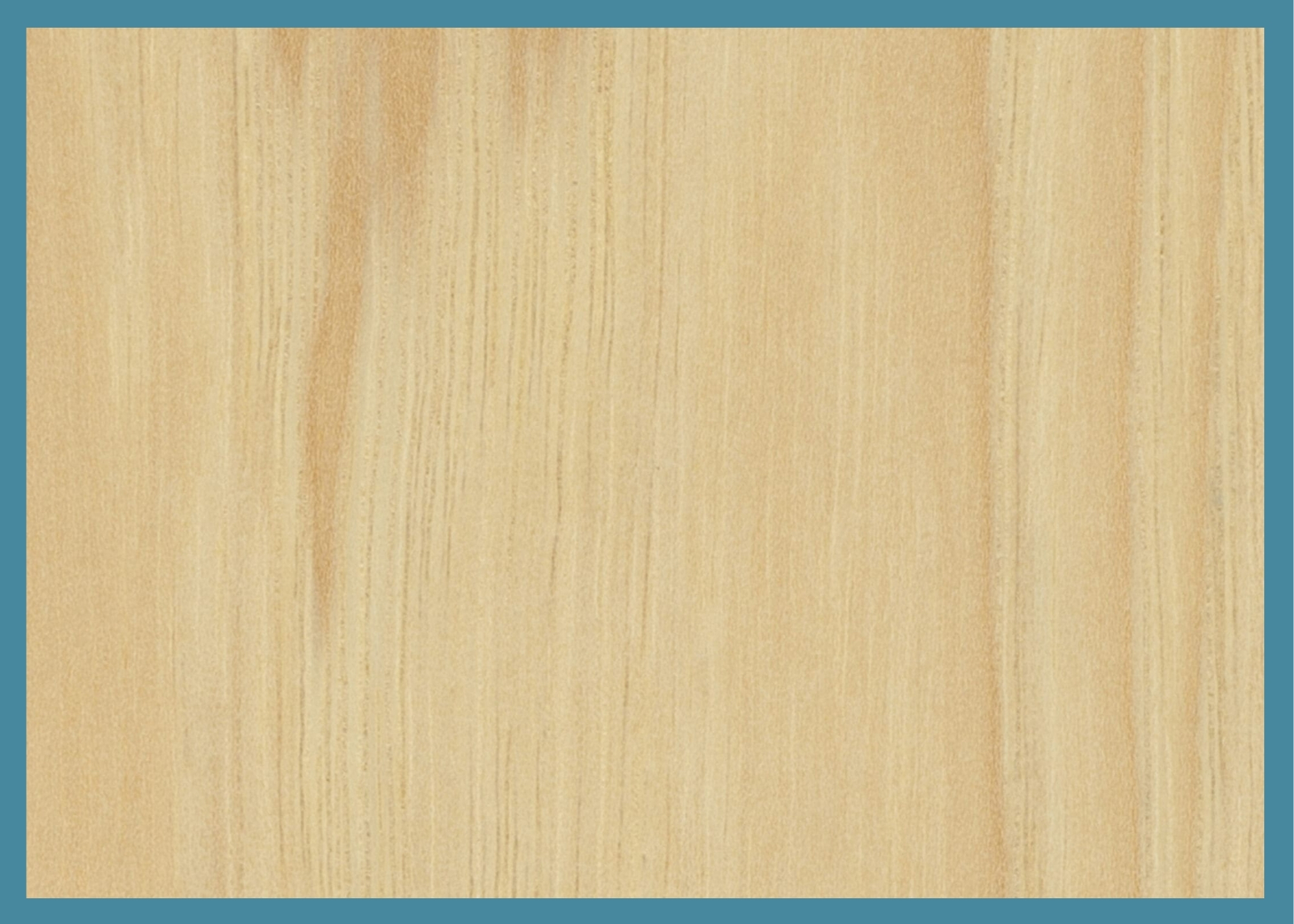
Hickory is among the hardest American hardwoods.
Appearance: Dramatic color variation between boards
Grain: Bold and pronounced
Durability: Extremely impact‑resistant
This rugged wood is perfect for rustic, lodge‑style interiors and areas that demand exceptional strength, such as heavy‑use cabinetry or flooring.
Birch
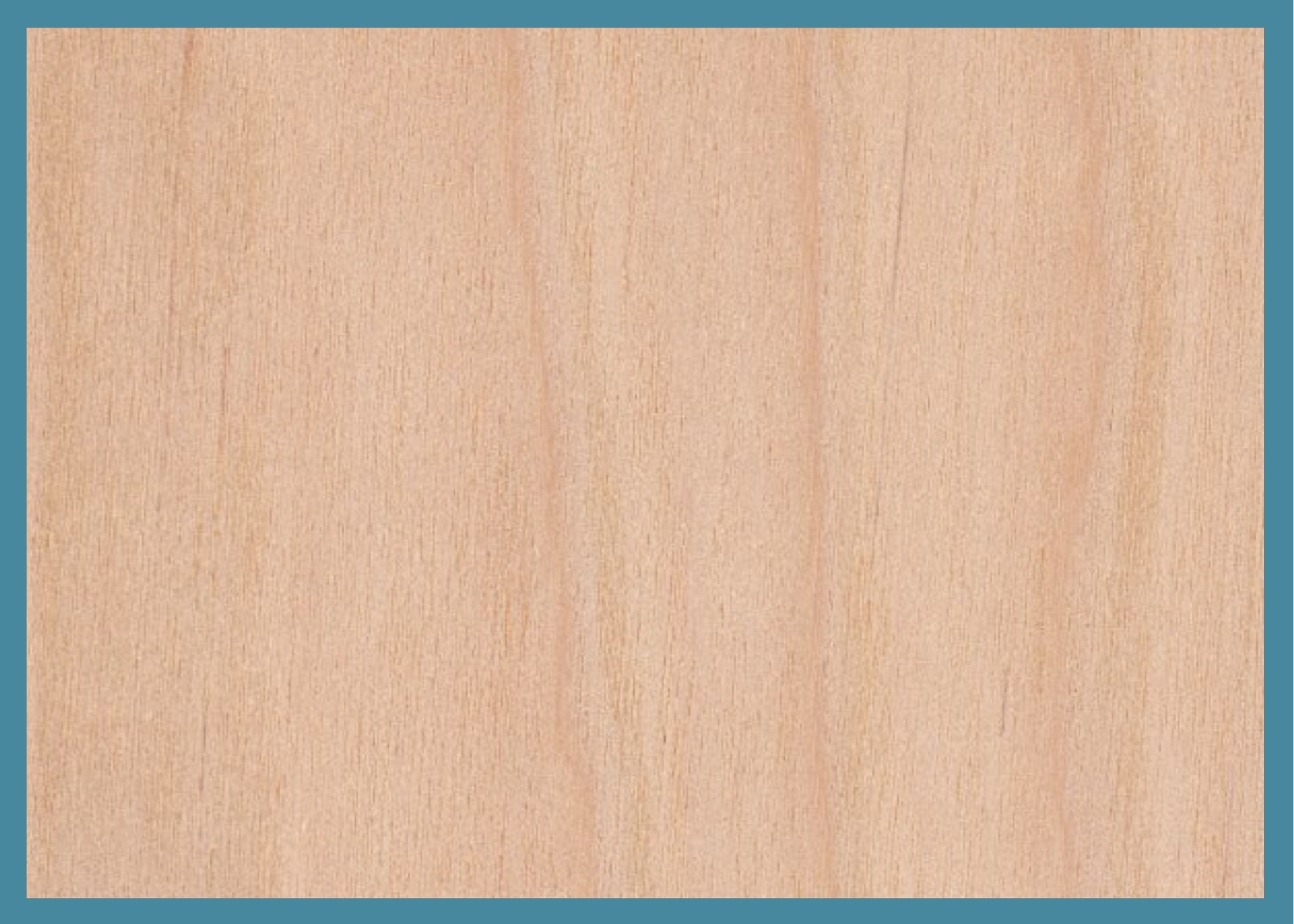
Birch is often compared to maple but offers more grain movement.
Appearance: Light, warm tones
Grain: Moderate and slightly loopy
Strength: Good strength and flexibility
Yellow birch is commonly used in furniture and cabinetry where a smooth finish and consistent performance are needed.
