


Resources
Browse our educational tools to better understand cabinetry options, materials, finishes, and the design process. Our goal is to help you feel informed, confident, and comfortable with every decision you make—we’re here to support you every step of the way.
Click on any button above to jump to that section
Cabinetry Costs
Small Kitchens
approximately 10' x 10'
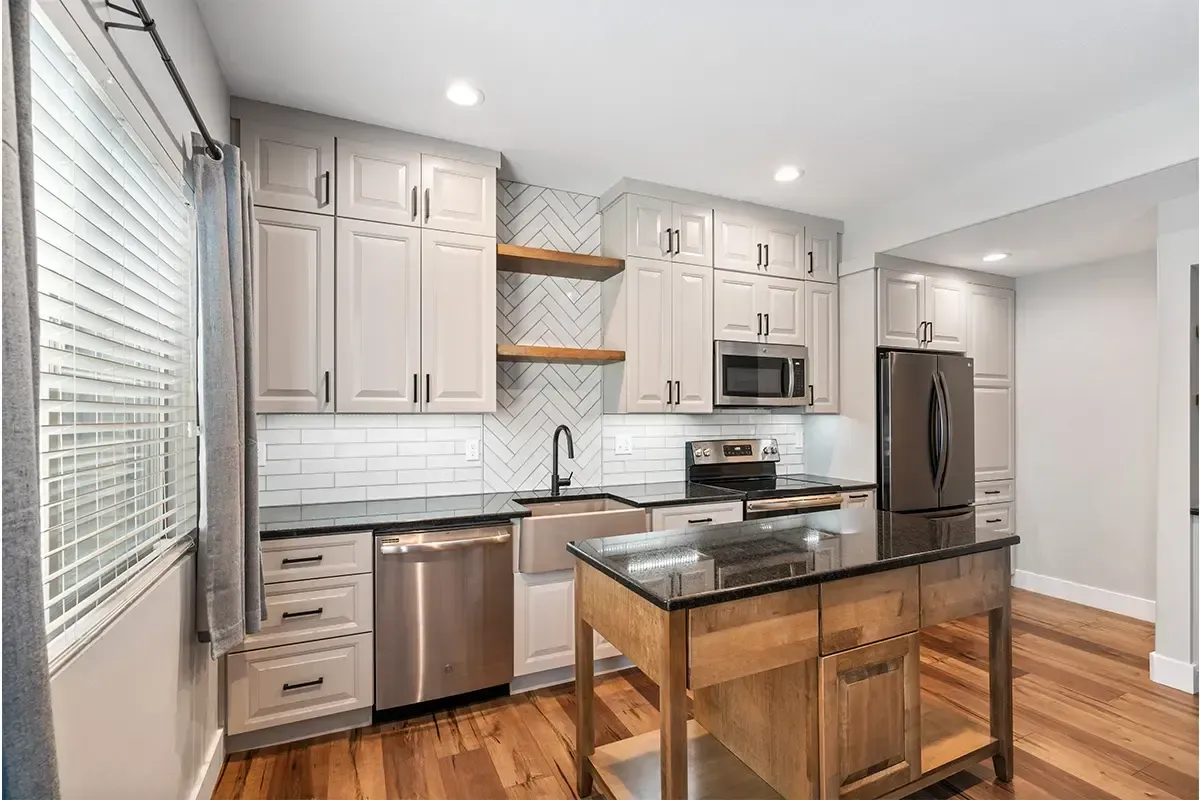
Single Wall with Island
Standard Cabinets - $5,005
Mid-Range Cabinets - $8,240
Premium Cabinets - $13,950
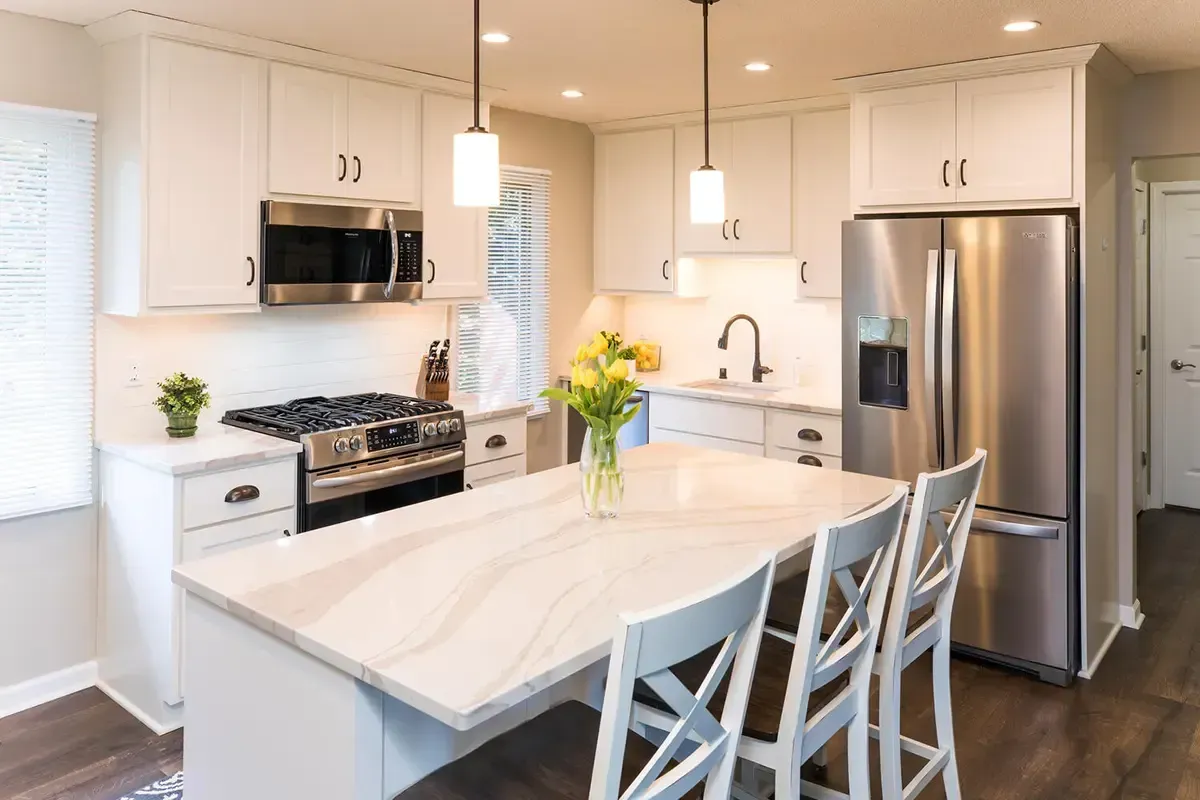
L-shaped with an Island
Standard Cabinets - $7,415
Mid-Range Cabinets - $11,775
Premium Cabinets - $19,090
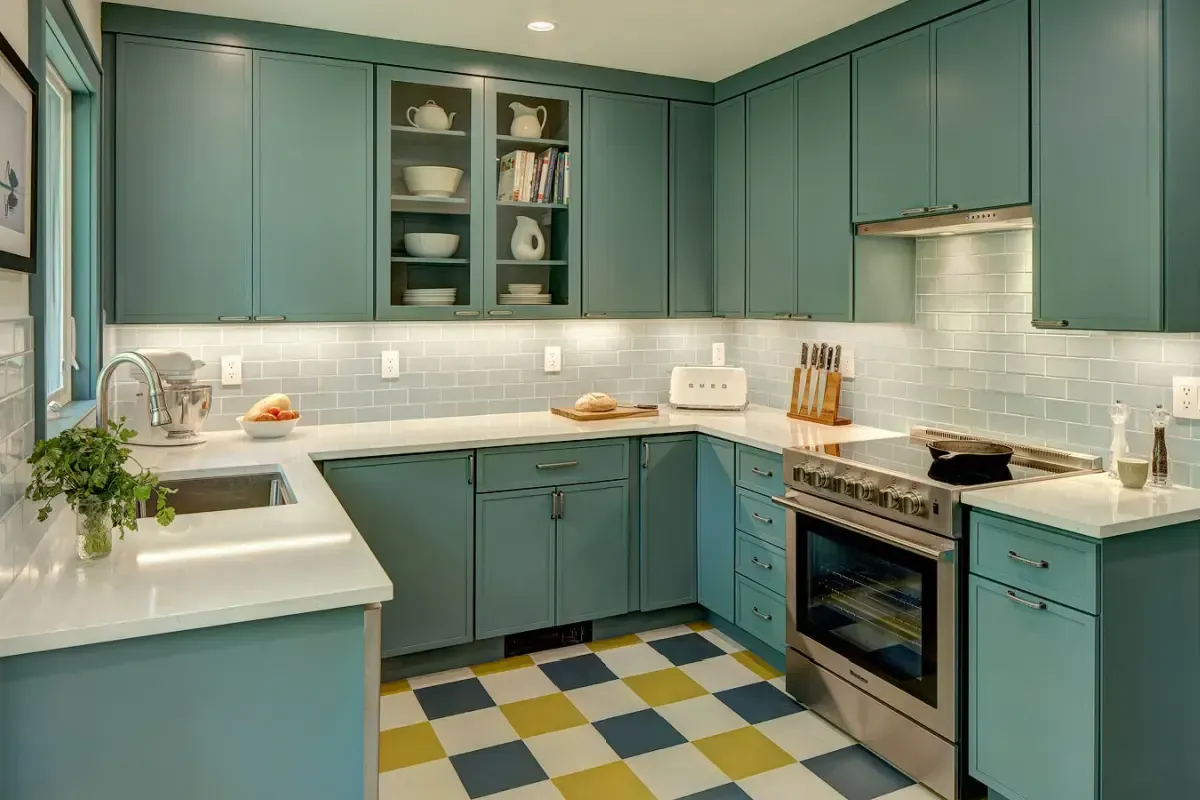
U-shaped without an Island
Standard Cabinets - $8,855
Mid-Range Cabinets - $13,893
Premium Cabinets - $22,180
Medium Kitchens
approximately 12' x 14'
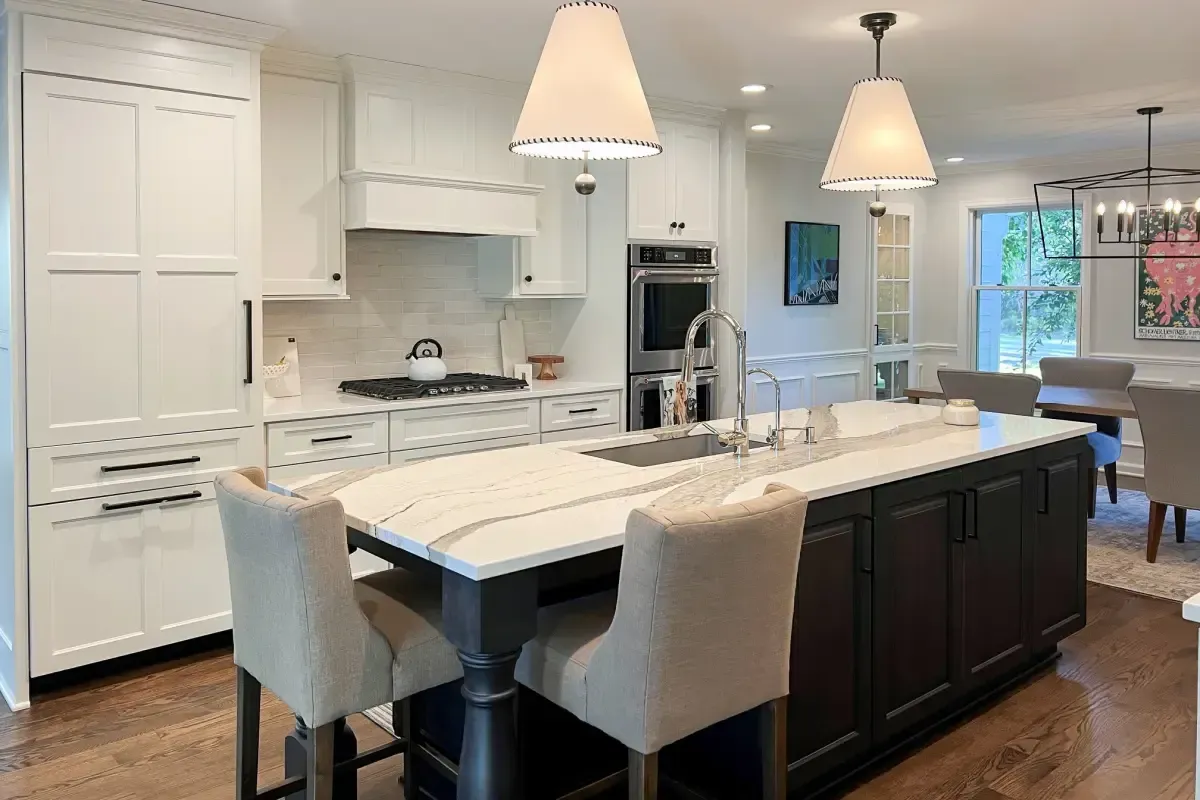
Single Wall with Island
Standard Cabinets - $8,375
Mid-Range Cabinets - $13,190
Premium Cabinets - $21,150
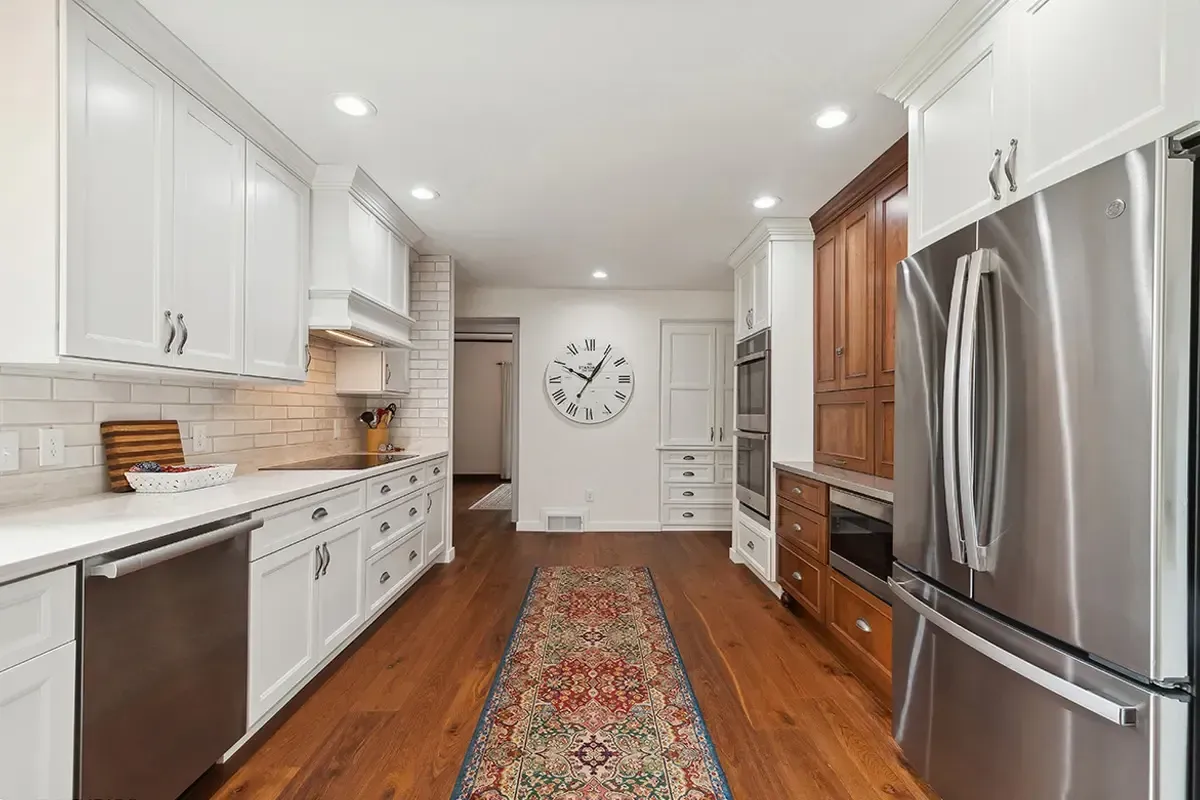
Galley without an Island
Standard Cabinets - $8,855
Mid-Range Cabinets - $13,893
Premium Cabinets - $22,180
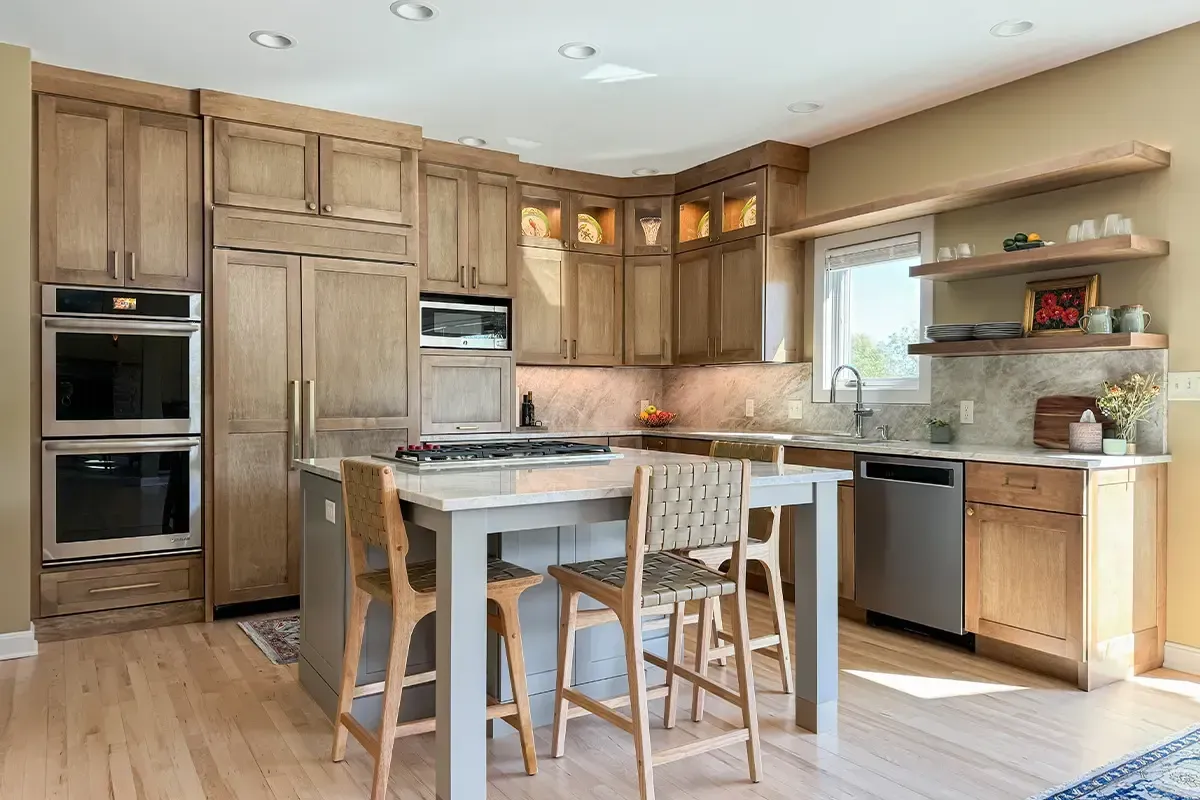
U-shaped with an Island
Standard Cabinets - $10,780
Mid-Range Cabinets - $16,720
Premium Cabinets - $26,290
Large Kitchens
approximately 14' x 16'
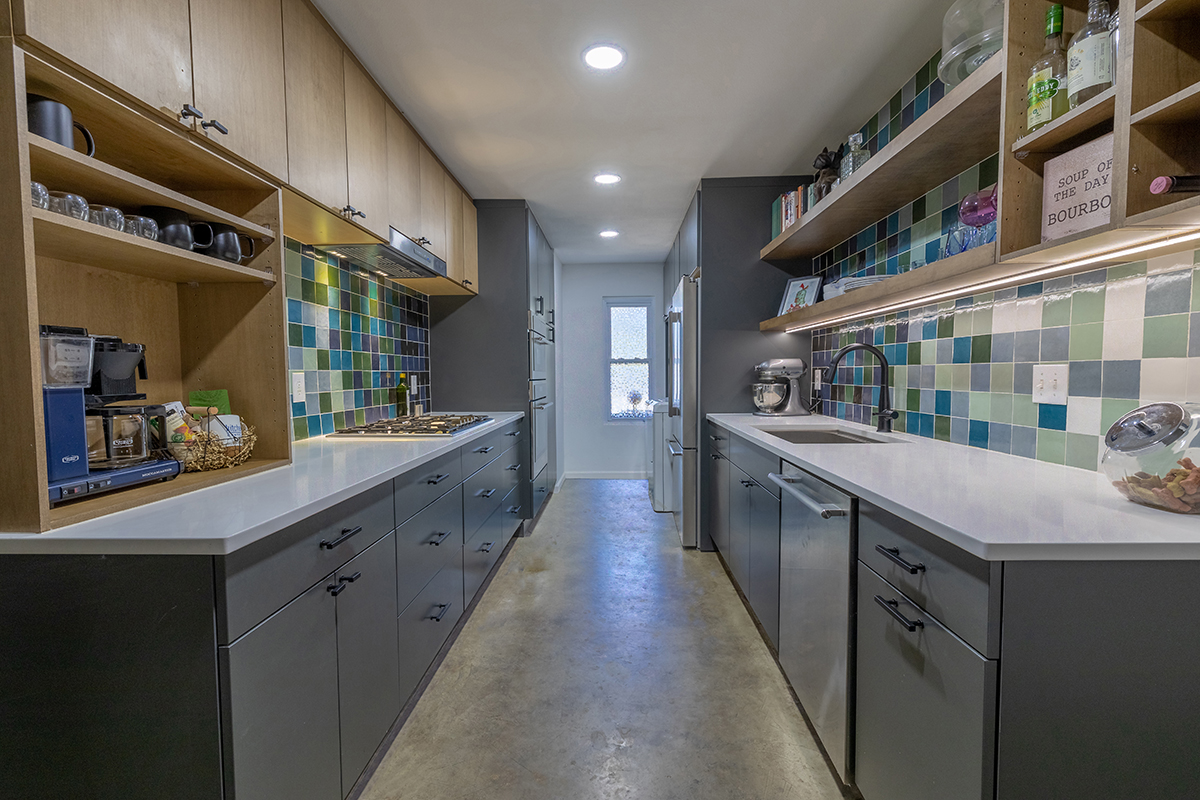
Galley without an Island
Standard Cabinets - $9,340
Mid-Range Cabinets - $14,600
Premium Cabinets - $23,205
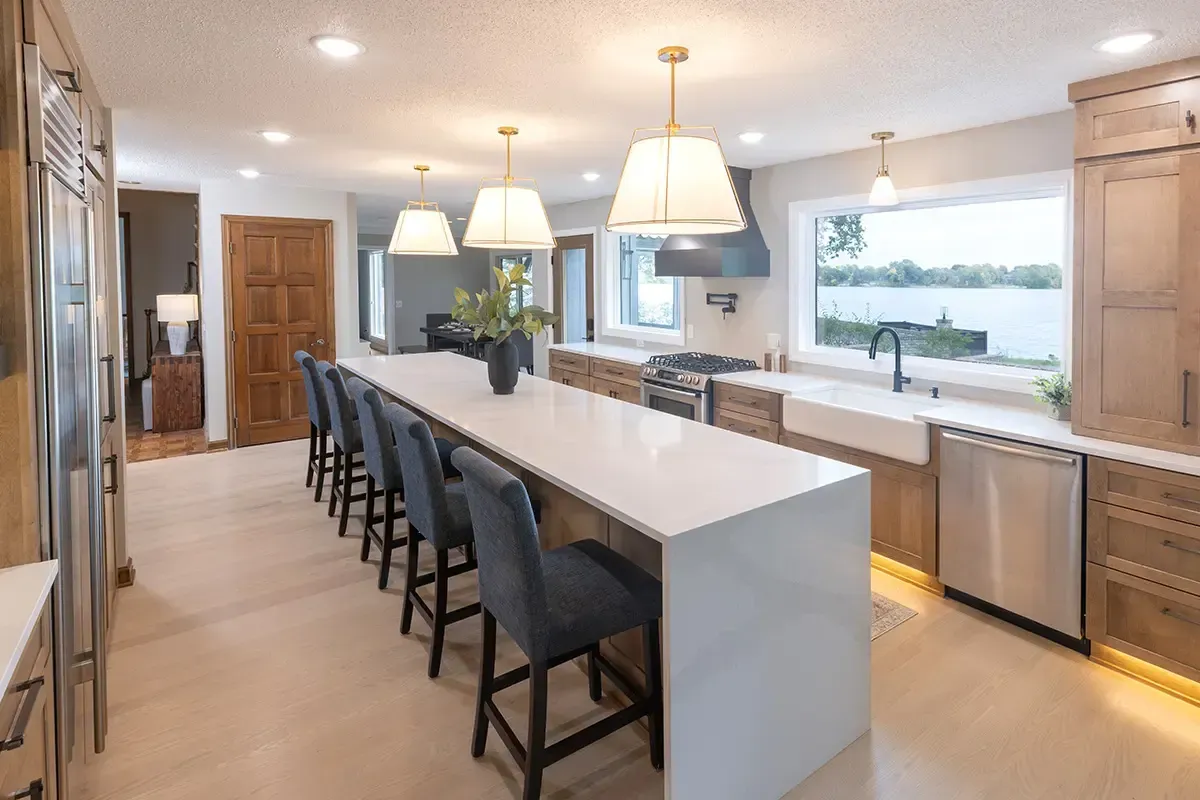
Galley with an Island
Standard Cabinets - $13,190
Mid-Range Cabinets - $20,255
Premium Cabinets - $31,435
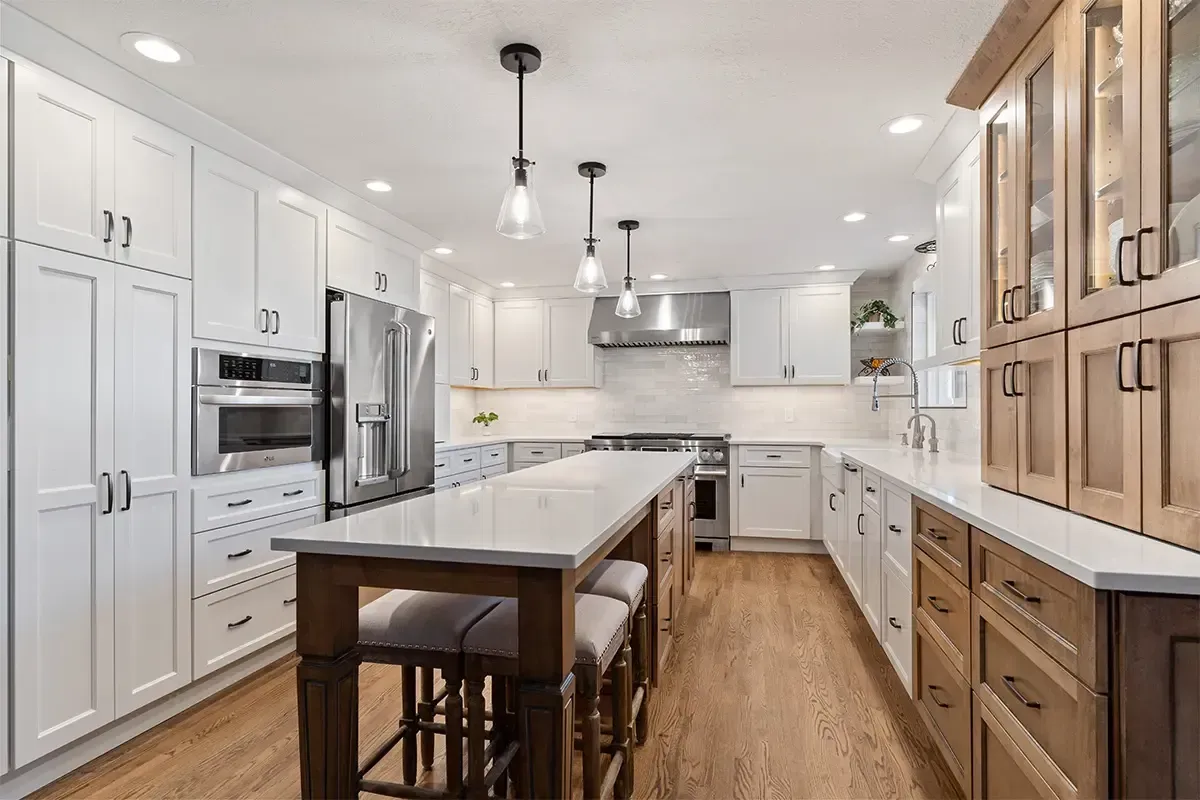
U-shaped with an Island
Standard Cabinets - $16,075
Mid-Range Cabinets - $,24,495
Premium Cabinets - $37,605
Remodel Costs:
Beyond the Cabinets
A remodel often includes more
than cabinetry alone.
Understanding the full scope helps avoid surprises and ensures accurate budgeting.

What is typically included and percentages of budget for each catagory
Cabinetry and Hardware = 29%
Installation and Labor = 17%
Appliances and Ventilation = 14%
Countertops = 10%
Flooring = 7%
Walls and Ceiling including backsplash = 5%
Lighting = 5%
Design Services and Planning = 4%
Doors and windows = 4%
Faucets and Plumbing Fixtures = 4%
Other = 1%
Typical Remodel Cost Ranges
Kitchen remodels can vary from $25,000 to $75,000+
Bathroom remodels can vary from $12,000 to $40,000+
Costs vary based on:
Size of the space
Material selections
Structural or layout changes
Level of customization
Labor and installation needs
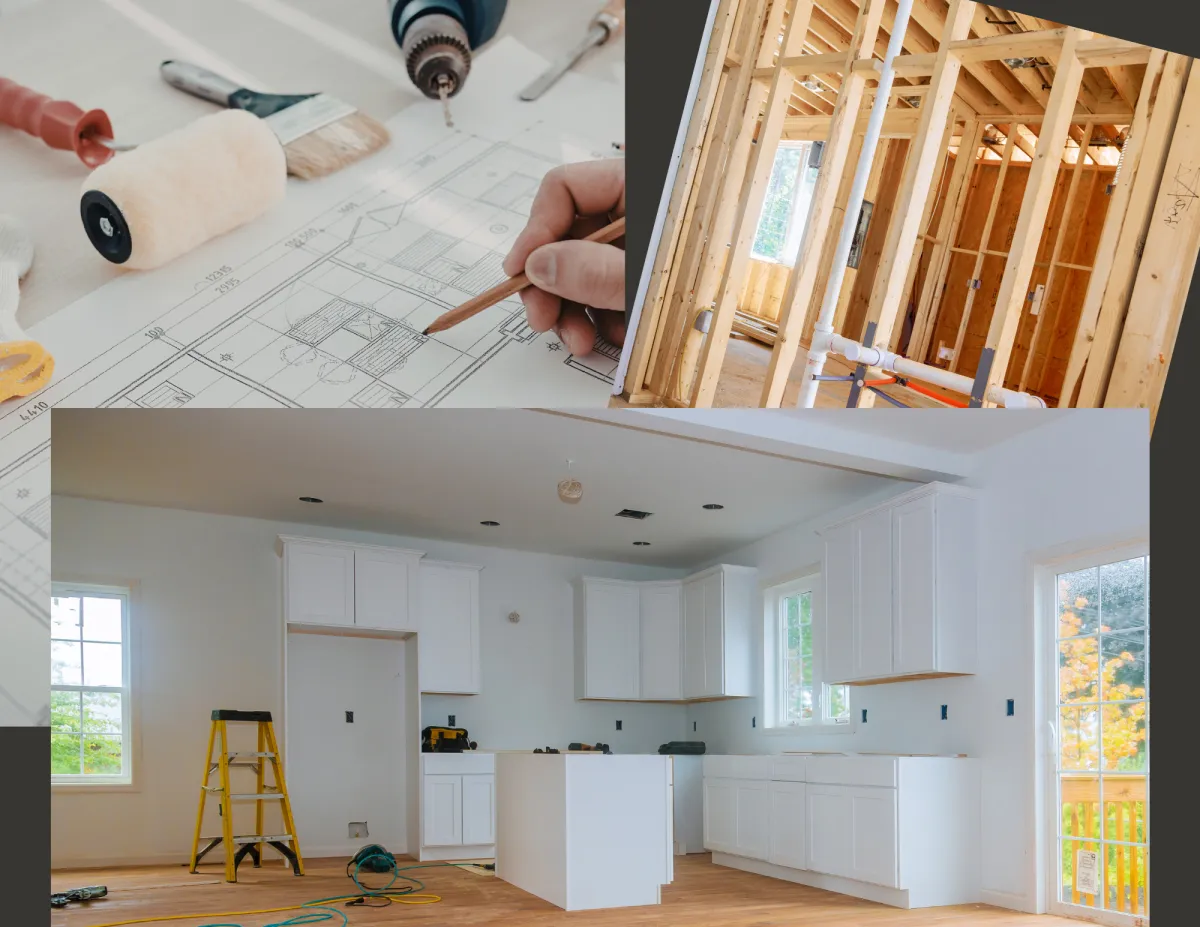
Cabinetry 101
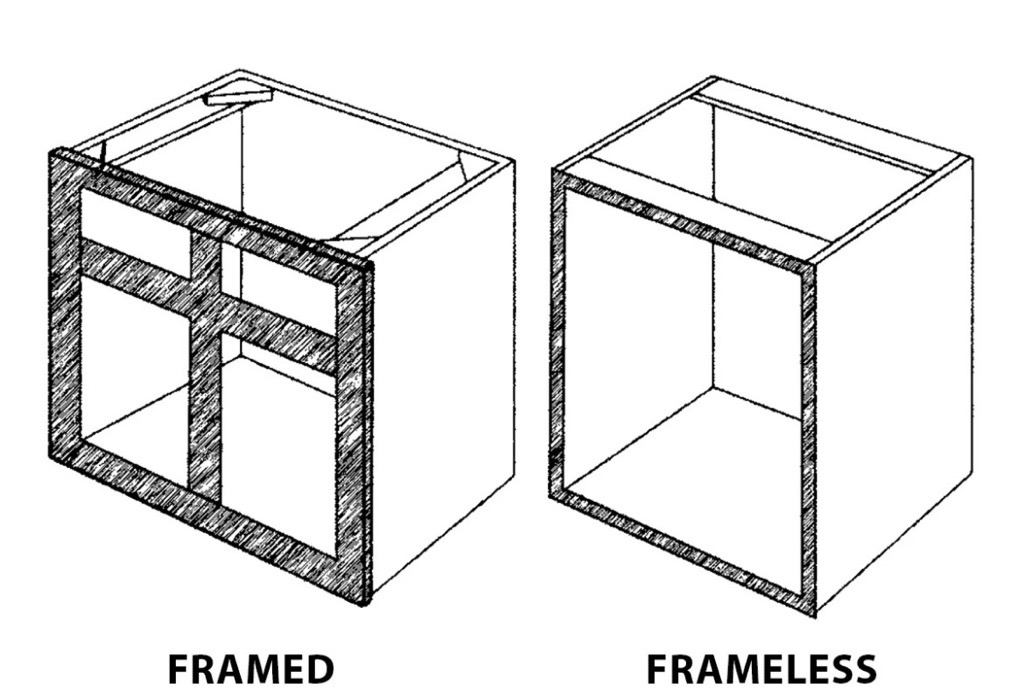
Framed vs. Frameless
Framed cabinets have a front face frame that adds strength and creates a more classic look, while frameless cabinets have no frame, offering a sleek, modern style with slightly more interior space and easier access. Framed cabinets provide more door style options (including inset), while frameless cabinets rely on a sturdy box construction and typically feature full‑overlay doors for a clean, seamless appearance.
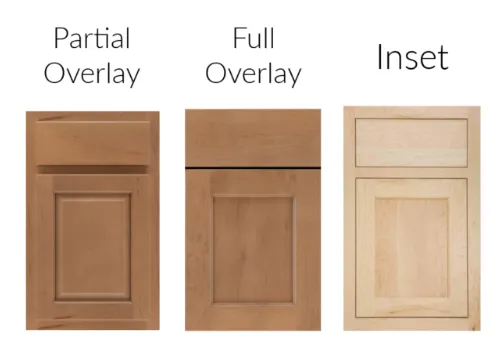
Partial vs. Full vs. Inset
Full overlay, standard overlay, and inset cabinetry differ in how the doors sit on the cabinet frame. Full overlay doors cover almost the entire face frame, creating a sleek, modern look with tight gaps and maximum access to the cabinet interior. Standard overlay doors leave more of the face frame visible, offering a classic and budget-friendly style that works well in traditional and transitional homes. Inset cabinetry features doors that sit flush inside the frame openings, similar to fine furniture, providing a timeless, high-end appearance that requires precise craftsmanship. Each style offers a distinct look and price point, allowing homeowners to choose the option that best fits their design preferences and budget.
Drawer Box Construction
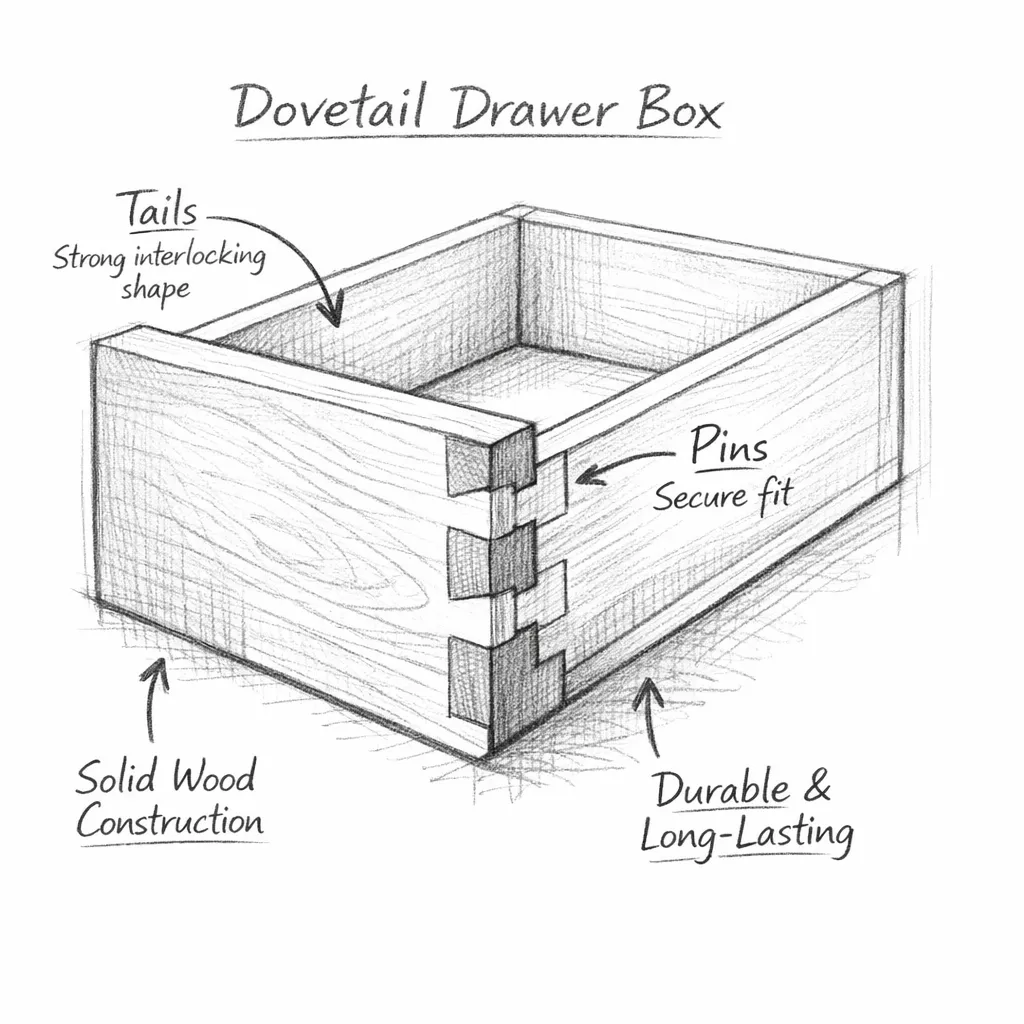
Dovetail drawer box construction is a hallmark of quality cabinetry, known for its strength, durability, and craftsmanship. This method features interlocking “tails and pins” cut into the ends of solid wood pieces, creating a tight joint that resists pulling apart even under heavy use. Unlike stapled or glued drawer boxes, dovetail joints lock together mechanically, providing long‑lasting stability and a premium feel. This type of construction is commonly found in higher‑end cabinetry because it not only enhances the drawer’s structural integrity but also showcases the beauty of precise, traditional woodworking. It’s a dependable, long-term upgrade that reflects both quality and attention to detail.
Door styles
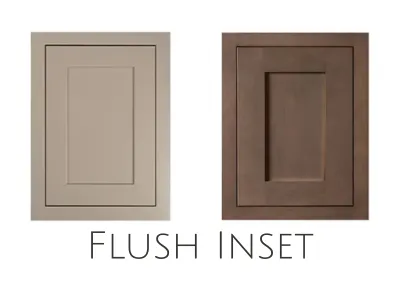
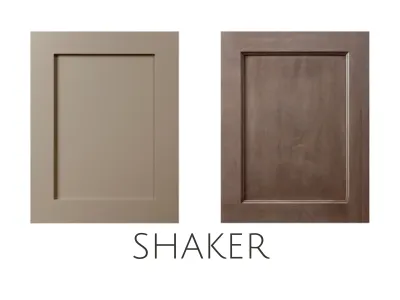
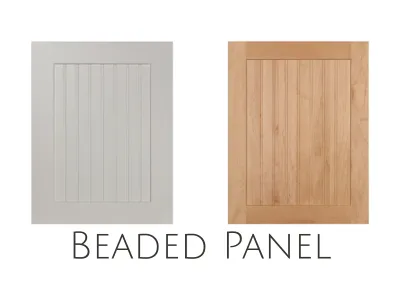
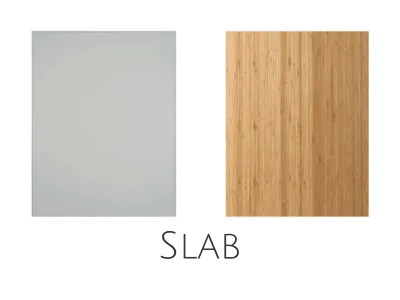
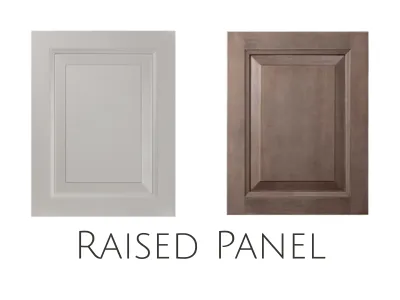
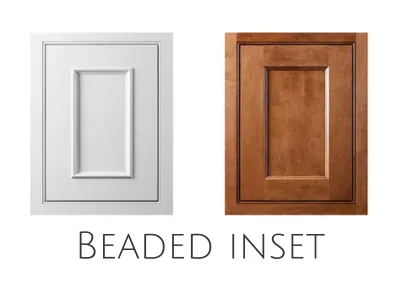
Cabinet door styles help set the tone for your space, and each option offers a distinct look. Shaker doors feature clean lines and a simple recessed panel, making them a timeless choice for any style. Beaded panel doors add soft texture with vertical grooves, bringing a touch of character and charm. Slab doors offer a smooth, flat surface for a sleek, modern feel. Raised panel doors create a more classic look with added depth and dimension. For a high-end, furniture-style appearance, beaded inset doors sit flush inside the frame with a decorative bead detail, while flush inset doors provide the same built-in look with a cleaner, streamlined finish.
Drawer Fronts
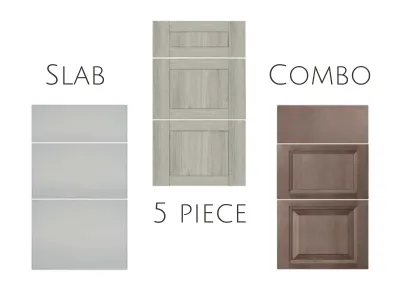
Drawer fronts can influence both the style and functionality of your cabinetry. Slab drawer fronts offer a smooth, flat surface for a clean and modern look. Five‑piece drawer fronts mirror the construction of a cabinet door, with a frame and center panel that provide a more detailed, traditional feel. Many homeowners choose a combination—using slab fronts for smaller top drawers and 5‑piece fronts for larger base drawers—to balance style, function, and visual interest throughout the space.
Frequently Asked Questions
Do you offer free consultations?
Yes! We offer complimentary design consultations to review your space, talk through your needs, and help determine the best cabinetry solutions for your project.
What should I expect during the design process?
We start with measurements, discuss your goals and style, create your custom layout, and present 3D renderings. From there, we help finalize selections and guide you through ordering and installation.
How long does the cabinetry ordering process take?
Lead times vary by brand and style. Most cabinetry ships within 3–8 weeks, depending on the manufacturer and current production schedules.
Do you help design other spaces besides kitchens?
Yes. We design bathrooms, laundry rooms, mudrooms, offices, dining rooms, pantries, any room and commercial spaces too.
What if I am not sure about my style or layout?
No problem—we’re here to help. Our designers make the process simple and comfortable by walking you through options, showing samples, and helping you feel confident in your decisions.
Can I see a 3-D design of my dream space?
Absolutely. All of our design packages include 3D renderings to help you visualize colors, layouts, and finishes before placing your order.
What cabinet brands do we offer?
We offer a selection of quality cabinetry—from RTA and budget‑friendly options to semi‑custom and high‑end lines—so you can choose what fits your style, timeline, and budget. Visit our Products page to view each cabinetry line that we offer.
Do you offer installation?
We offer a selection of quality cabinetry—from RTA and budget‑friendly options to semi‑custom and high‑end lines—so you can choose what fits your style, timeline, and budget. Visit our Products page to view each cabinetry line that we offer.
Can you help me choose countertops?
Yes—we work with fabricators that offer quartz, granite, marble and additional countertop materials. We assist with selections, measurements, and coordination with fabricators.
Difference between Plywood and Particleboard box construction
Plywood and particleboard are both commonly used in cabinet construction, but they offer different benefits. Plywood is made by layering thin sheets of wood, creating a strong, durable, and moisture‑resistant material—ideal for long‑term performance. Particleboard is made from compressed wood fibers and is more budget‑friendly, offering a smooth, consistent surface for cabinet finishes. Plywood typically performs better in areas with higher moisture or heavy use, while particleboard provides a cost‑effective option that still delivers good strength and stability when used in quality cabinetry.
RTA (stock cabinets) vs. Semi-Custom Cabinets
RTA (Ready‑to‑Assemble) cabinets come flat‑packed and require assembly and installation. They’re typically more budget‑friendly and faster to receive, but offer fewer design options, finishes, and upgrades. Semi‑custom cabinets are built to order and allow you to choose sizes, door styles, colors, and modifications for a more personalized fit and higher-quality construction. While semi‑custom cabinets take longer to produce and cost more than RTA, they provide greater durability, flexibility, and a more tailored finished look.
How do I get started and how should I prepare?
Simply contact us to schedule your consultation. From there, we guide you through every step—from measurement to installation. For your initial consultation, bring basic ideas, inspiration photos, or your wishlist.
What is your service area?
We service Fremont, Omaha, Lincoln, West Point, Columbus and all areas in between. We service a radius of approximately 45 miles. If you are outside of that radius, please reach out to us, we are not locked in to this area.
The Grain and Groove
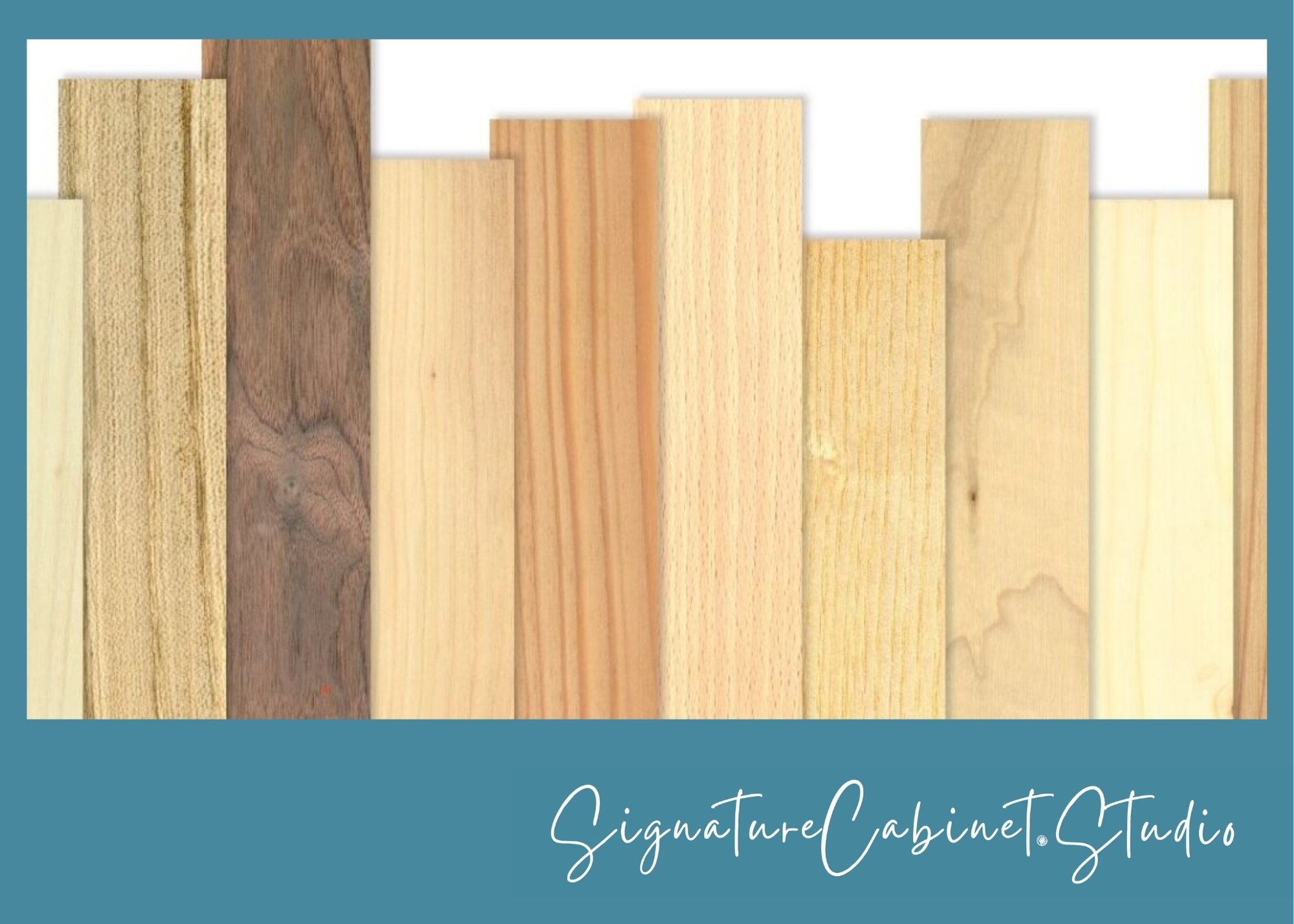
Wood Species
When it comes to furniture, cabinetry, and flooring, not all wood is created equal. Wood species vary widely in hardness, grain pattern, color, and stability, and these characteristics directly impact not only how a finished piece looks, but also how it performs over time.
From dense, uniform hardwoods like maple to character‑rich options such as hickory and knotty alder, understanding wood species helps you make informed decisions that balance beauty, longevity, and lifestyle needs. Below, we explore some of the most popular wood species used in furniture and cabinetry—and what makes each one unique.
Why Wood Species Matter
The species of wood chosen for a project influences:
Durability – Resistance to dents, scratches, and wear
Appearance – Grain pattern, color variation, and texture
Maintenance – How the wood ages, darkens, or reacts to light and moisture
Style Compatibility – Traditional, rustic, modern, or farmhouse aesthetics
Hardwoods such as oak, maple, walnut, and cherry are commonly selected for their strength and visual appeal, while engineered materials and alternatives like bamboo and MDF offer consistency and performance advantages in specific applications.
Popular Hardwood Species and Their Characteristics
Maple
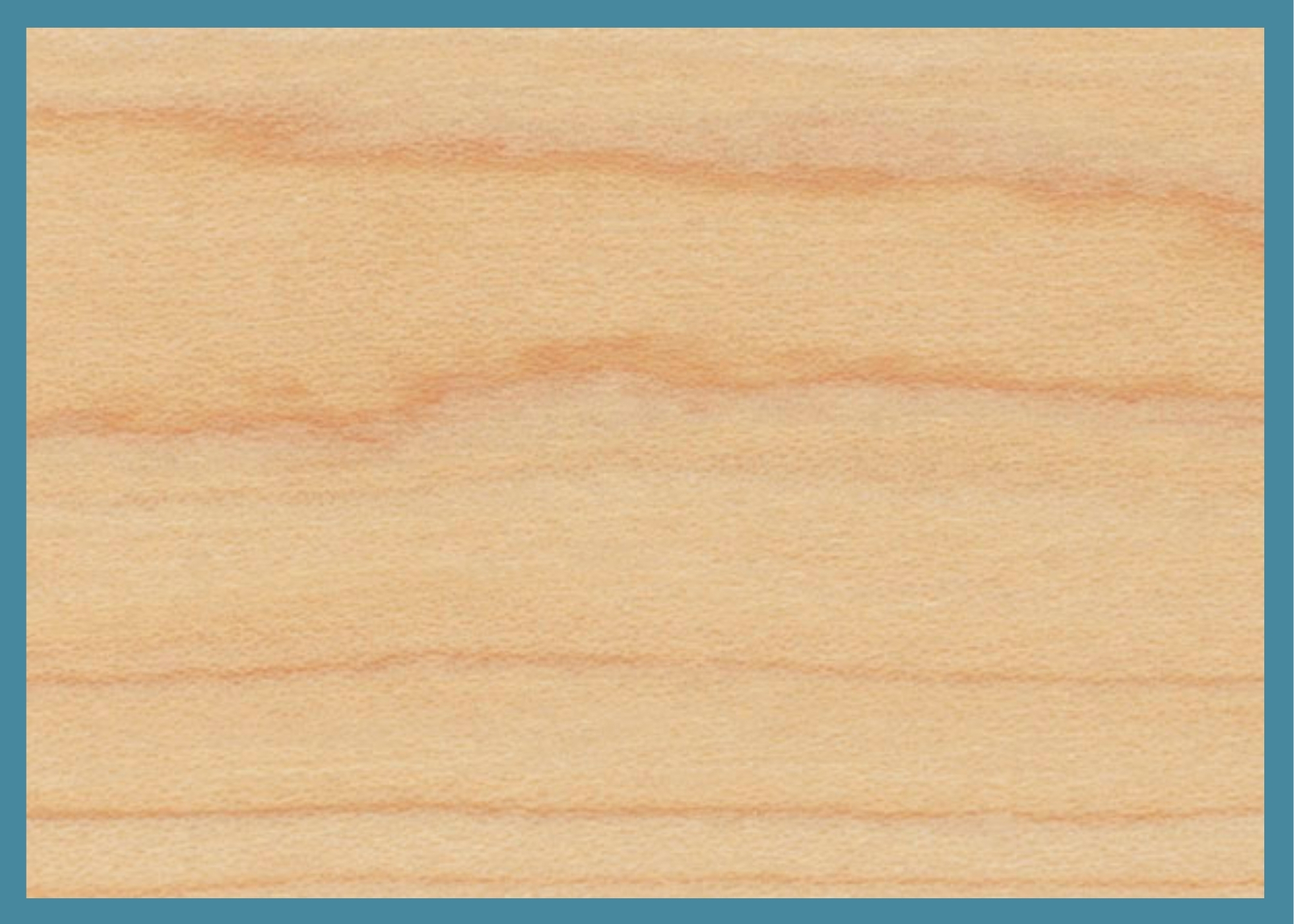
Maple is one of the most durable and widely used hardwoods in cabinetry and flooring.
Appearance: Creamy white to light reddish‑brown
Grain: Straight and uniform
Density: Very dense and heavy
Because of its hardness and smooth grain, maple is an excellent choice for flooring, countertops, and high‑use cabinetry, especially in contemporary or transitional spaces.
Red Oak
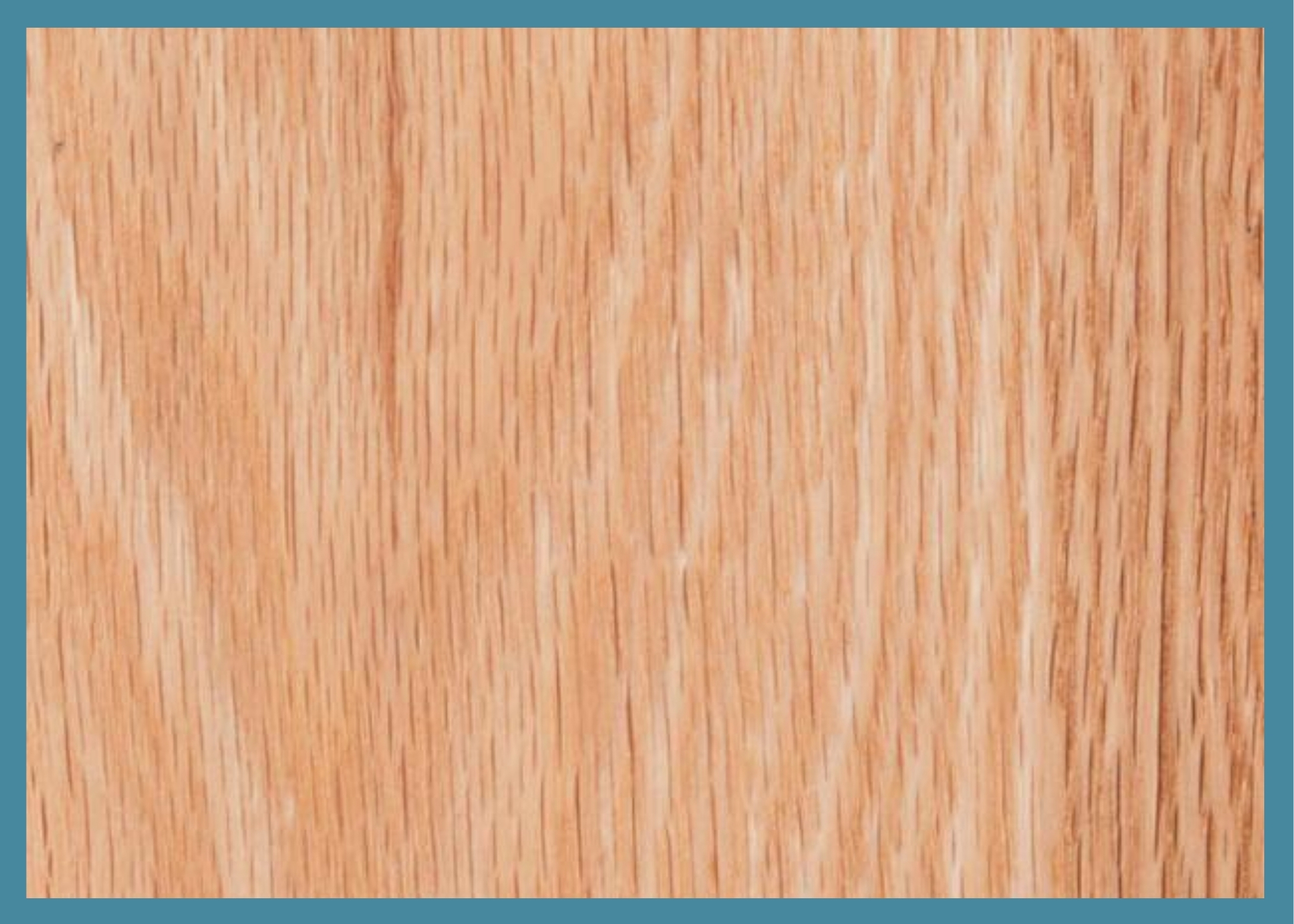
Oak is known for its strength and unmistakable grain pattern.
Appearance: Light brown to medium tan
Grain: Prominent, open, and textured
Durability: Extremely high
White Oak
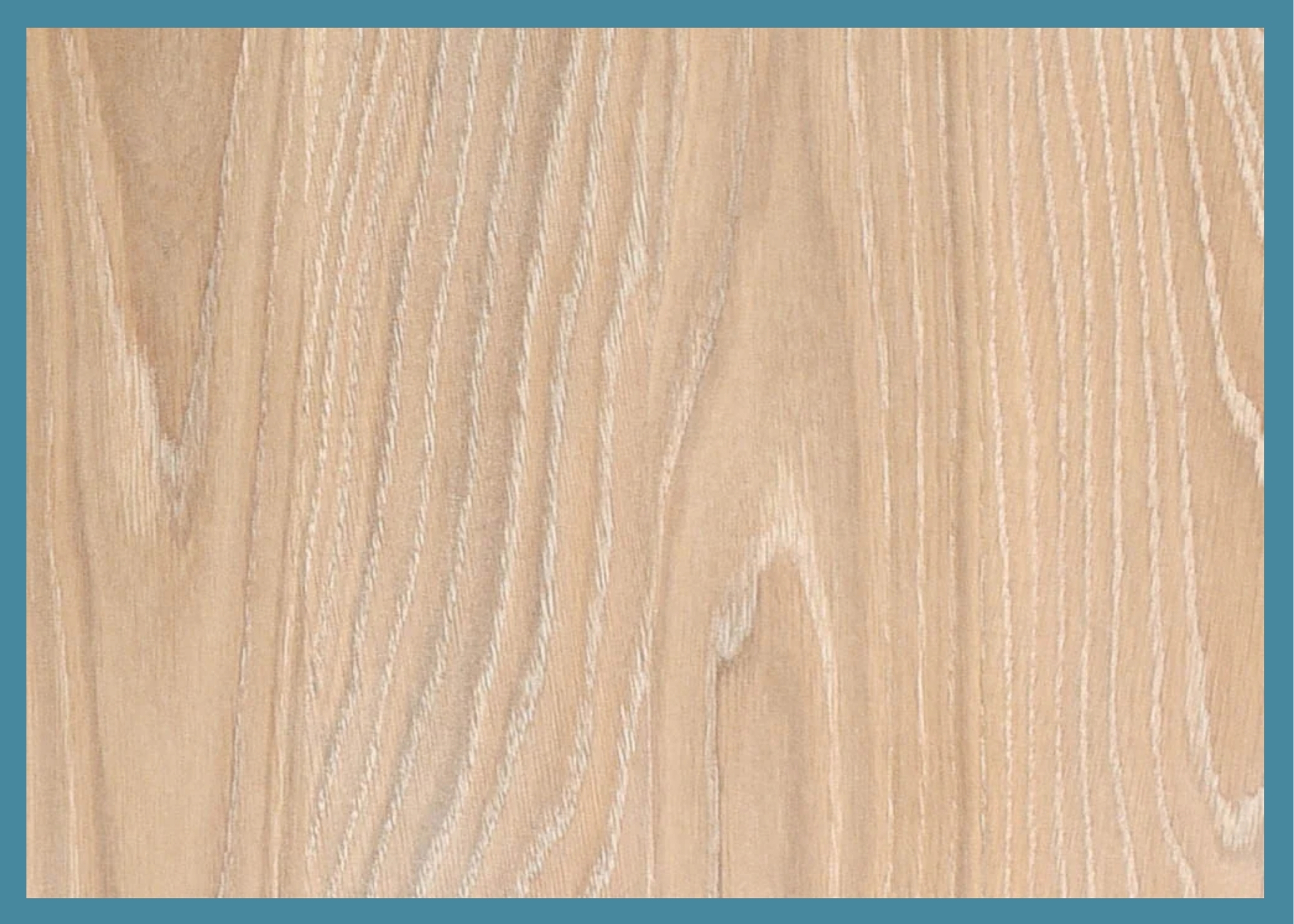
Quartersawn white oak is not a separate species but a specialized milling technique applied to white oak.
Grain: Straight, tight, and uniform
Distinctive Feature: “Tiger stripe” or flake pattern
Stability: Exceptional resistance to warping
This premium option is prized for its refined appearance and is often used in Arts & Crafts and high‑end custom cabinetry.
Alder
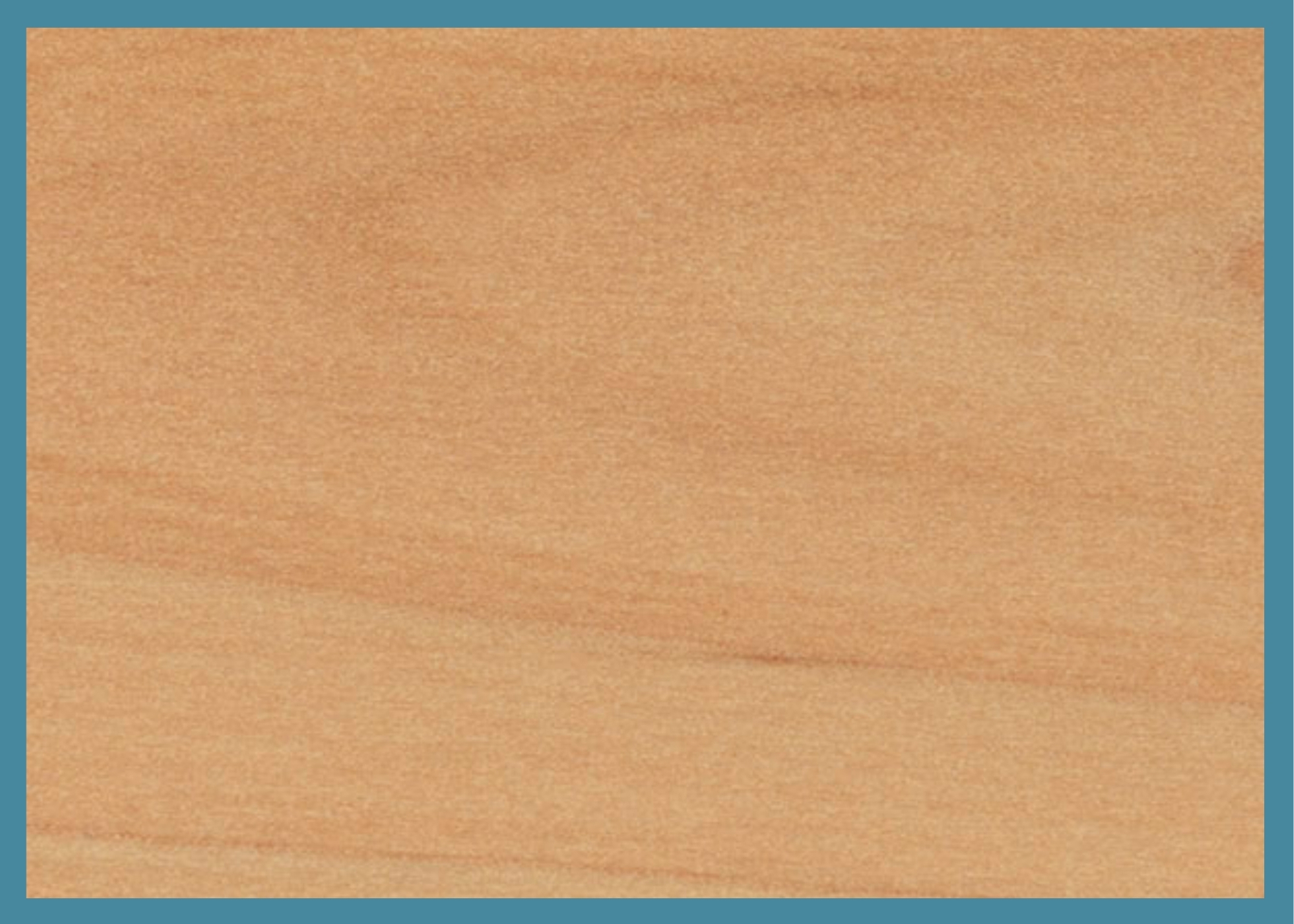
Alder is softer than many hardwoods but offers excellent versatility.
Appearance: Warm honey tones
Grain: Straight and even
Density: Medium
Frequently sold as Knotty Alder, this species showcases natural knots and character markings, making it ideal for rustic, farmhouse, and casual designs in furniture and cabinetry.
Walnut
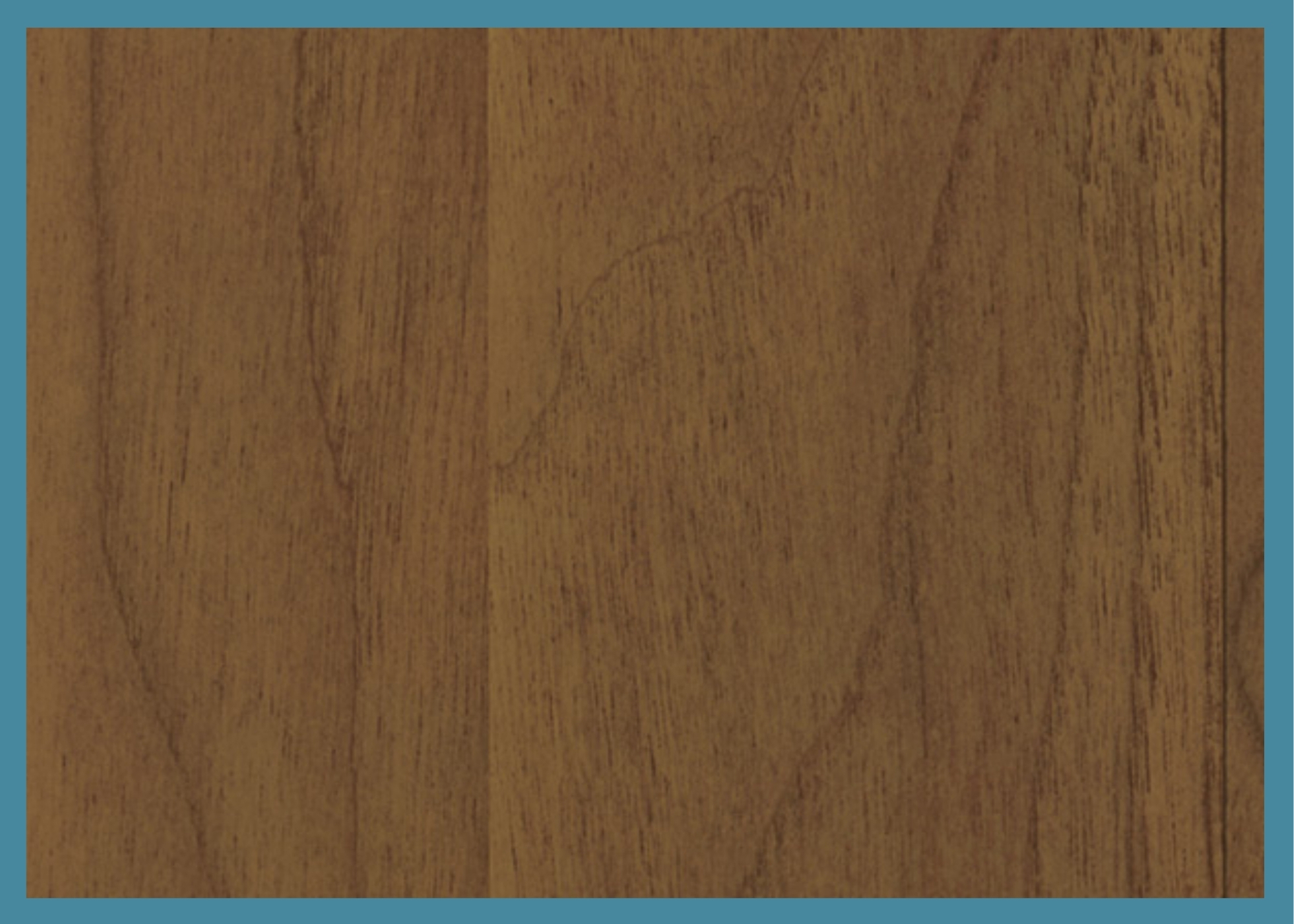
Walnut is one of the most sought‑after hardwoods for refined interiors.
Appearance: Rich chocolate brown
Grain: Straight with occasional curl
Stability: Highly stable and durable
Its natural elegance makes walnut a premium choice for luxury furniture, cabinetry, and statement pieces where depth of color is desired.
Cherry
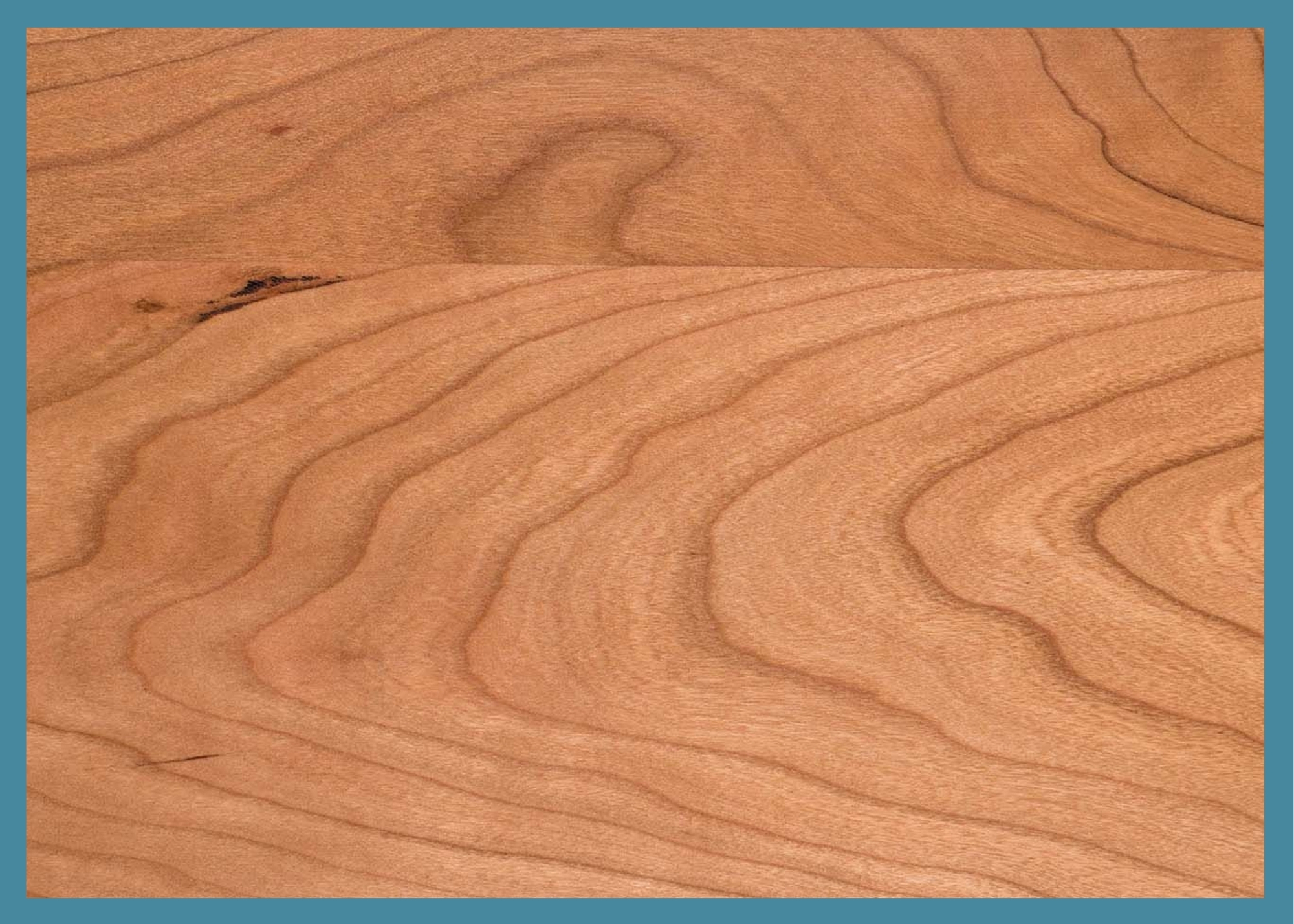
Cherry is known for its natural aging process and timeless appeal.
Appearance: Light reddish tones that darken over time
Grain: Fine and smooth
Aging: “Ripens” into a deep red‑brown
As cherry is exposed to light, it develops a rich patina, making it ideal for traditional furniture and cabinetry that grows more beautiful with age.
Hickory
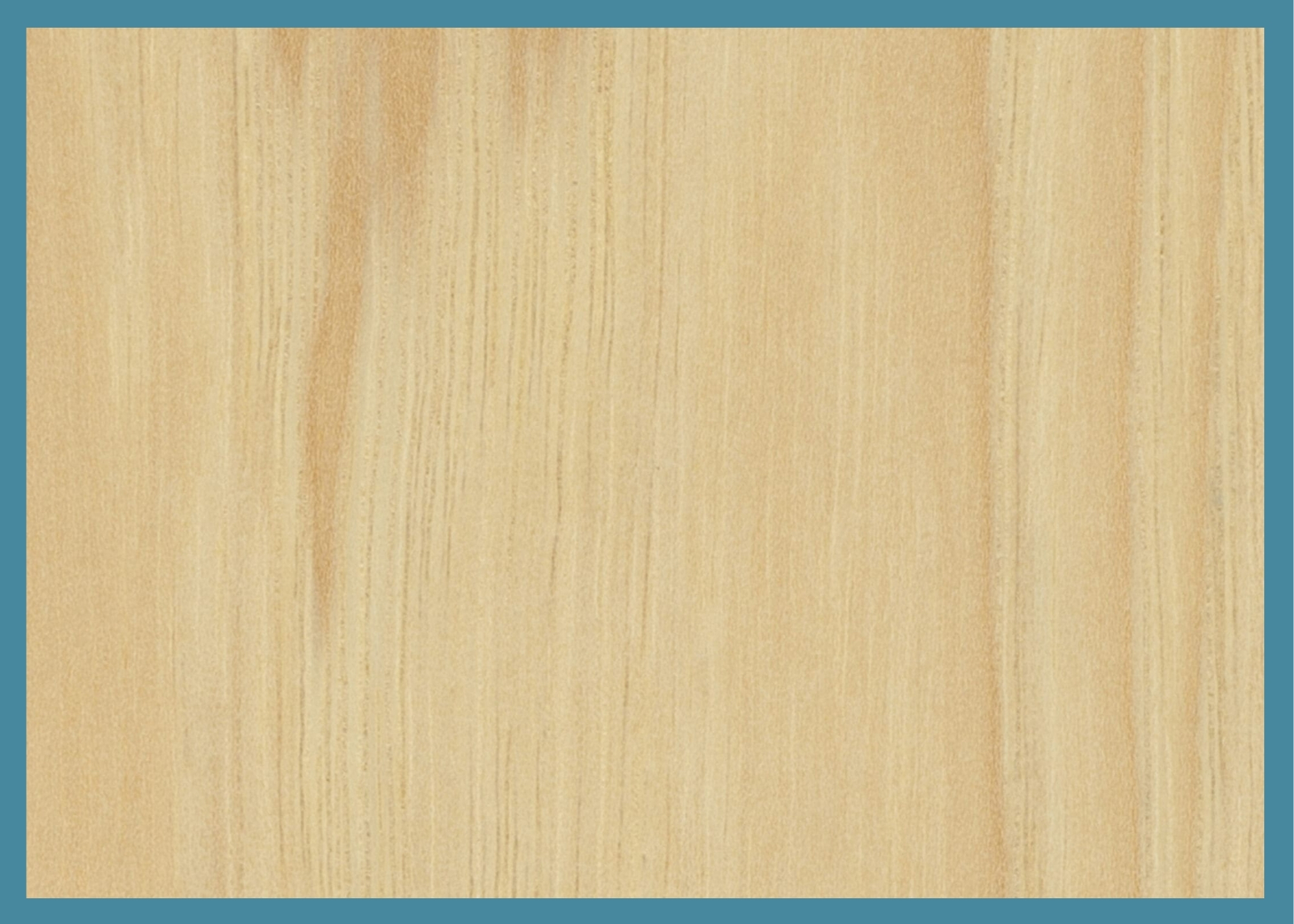
Hickory is among the hardest American hardwoods.
Appearance: Dramatic color variation between boards
Grain: Bold and pronounced
Durability: Extremely impact‑resistant
This rugged wood is perfect for rustic, lodge‑style interiors and areas that demand exceptional strength, such as heavy‑use cabinetry or flooring.
Birch
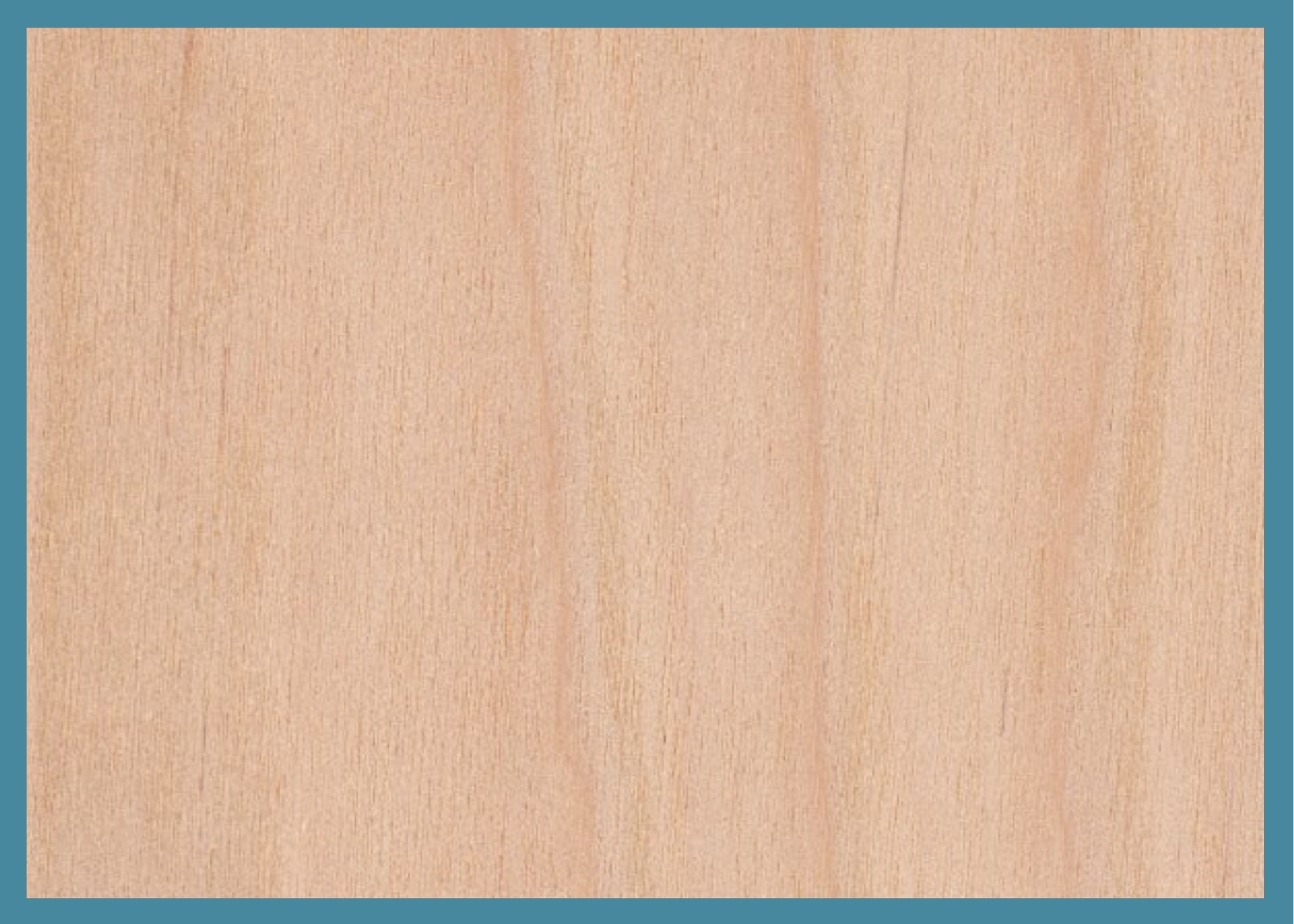
Birch is often compared to maple but offers more grain movement.
Appearance: Light, warm tones
Grain: Moderate and slightly loopy
Strength: Good strength and flexibility
Yellow birch is commonly used in furniture and cabinetry where a smooth finish and consistent performance are needed.

YOUR DREAM STARTS HERE
Serving Fremont, Elkhorn, Wahoo, Blair, Valley, and the surrounding 45-mile radius. Custom cabinetry and design excellence across Eastern Nebraska.
Copyright 2026. Signature Cabinet Studio. All Rights Reserved.